Deep Insight

Deep Insight

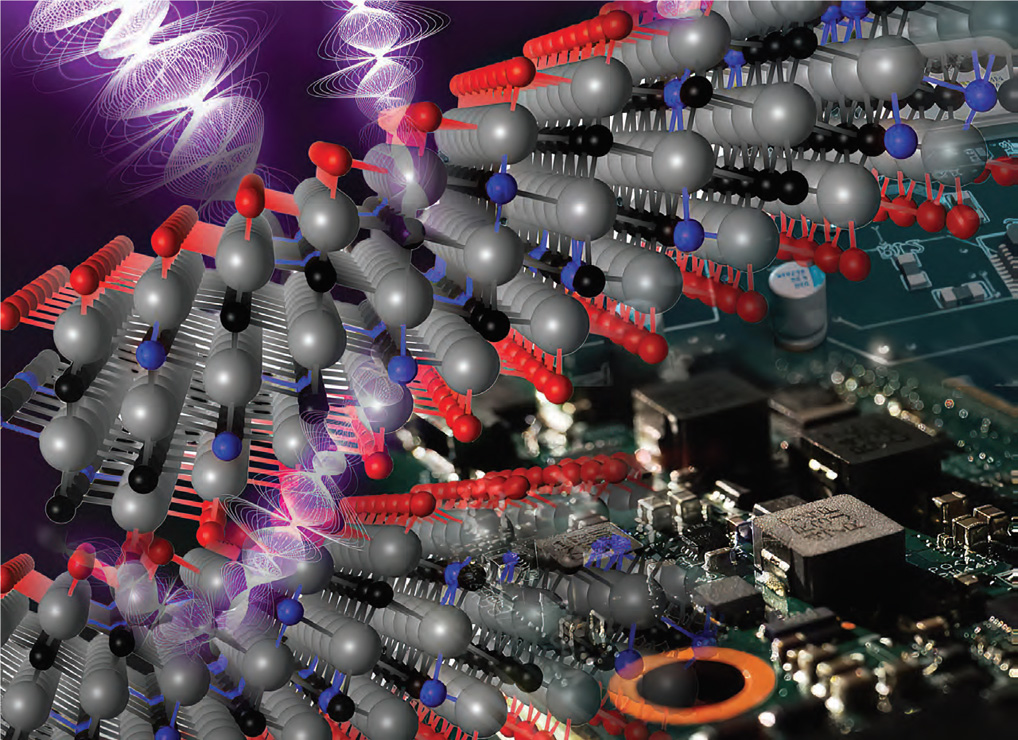
E-motor materials

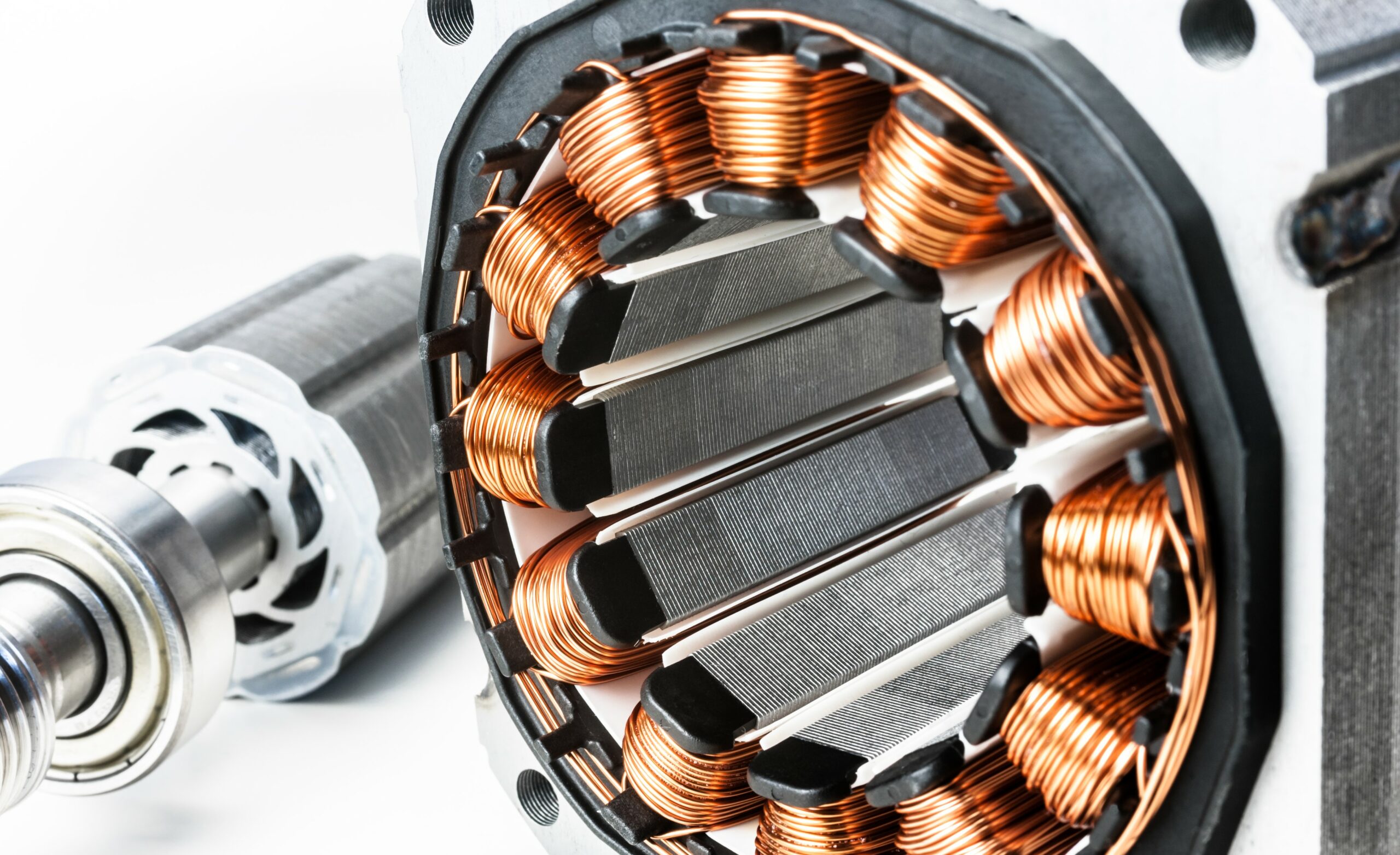
The need for low weight and high performance in e-mobility motors is driving a demand for specialist metal alloys and insulating materials that are also thermally conductive. There is a strong focus as well on how they are sourced, particularly with regard to heavy rare earth (HRE) elements. Dysprosium and neodymium for example

Deep Insight

ZeroAvia hydrogen-electric aircraft

As detailed in the first issue of this publication (Winter 2018) through our discussions with Pipistrel about its Alpha Electro aircraft, it is just as feasible to develop (and certify) a two-to-four seater plane to run on battery power as it is with a roadcar. While serious optimisation of the battery and overall system weight must be undertaken to make small battery-electric planes flightworthy, it is empirically achievable.

Deep Insight

Wireless Charging

With agreement on an SAE standard for wireless charging systems set to herald their wider roll-out, Nick Flaherty reports on developments in the technology. The technology for wireless charging of e-mobility systems has reached a critical point. With the SAE J2954 standard now agreed for consumer EVs...

Deep Insight

NVH

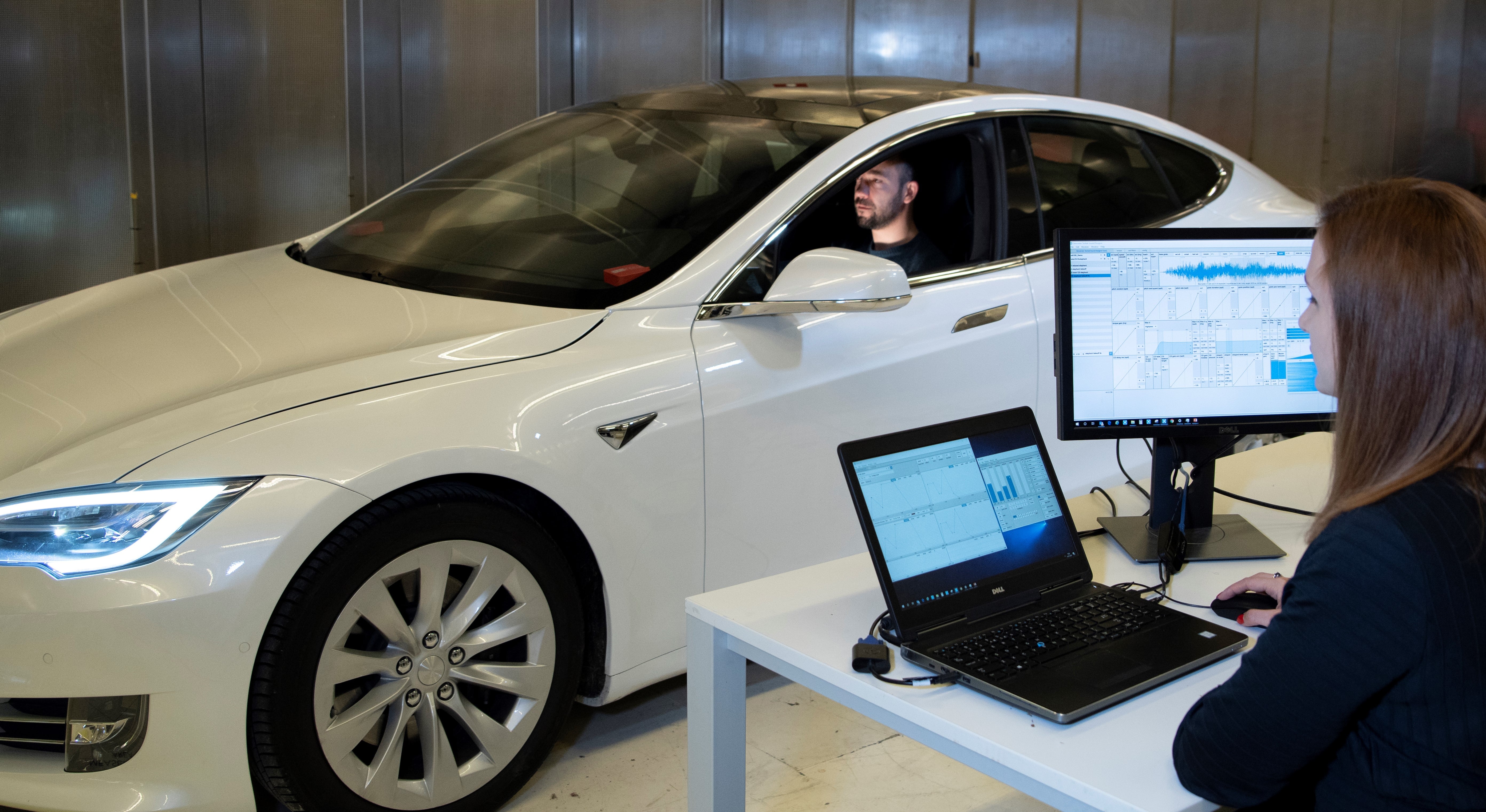
Peter Donaldson reports on the tools and methods for optimising the acoustic environment in EVs. Of all the disciplines required for developing cars, psychoacoustics isn’t one that readily springs to mind. However, this science of the relationships between aural stimuli and the responses they produce in people informs the branch...

Deep Insight

Skateboard platforms

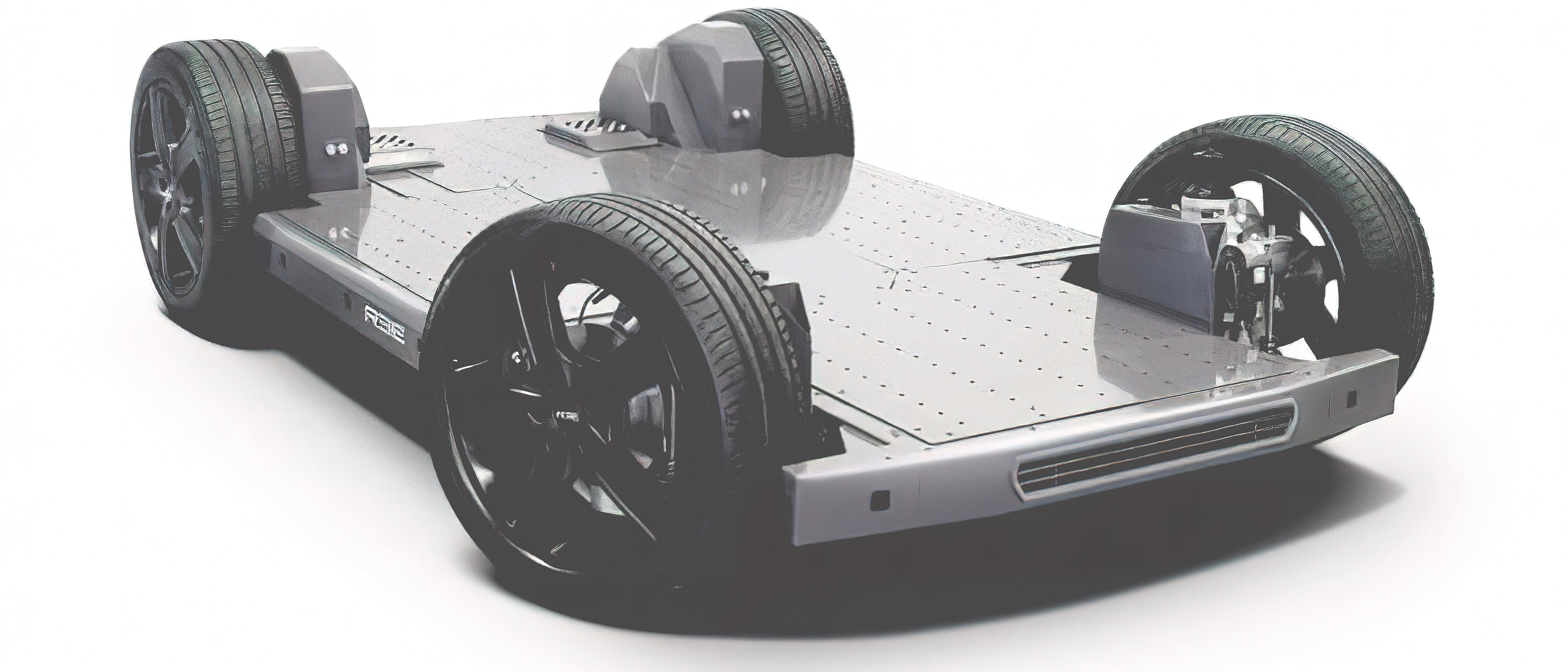
Against the backdrop of a boom in skateboard platforms for EV designs, Nick Flaherty looks at the approaches taken by some of their suppliers. Changing the wheelbase of a traditional car or truck design by 6 or 7 in creates a ripple effect whereby half the transmission shaft has to be redesigned, changing the centre of gravity and the requirements for the suspension. That means a whole new vehicle design is needed...

Deep Insight

Vehicle-to-grid charging

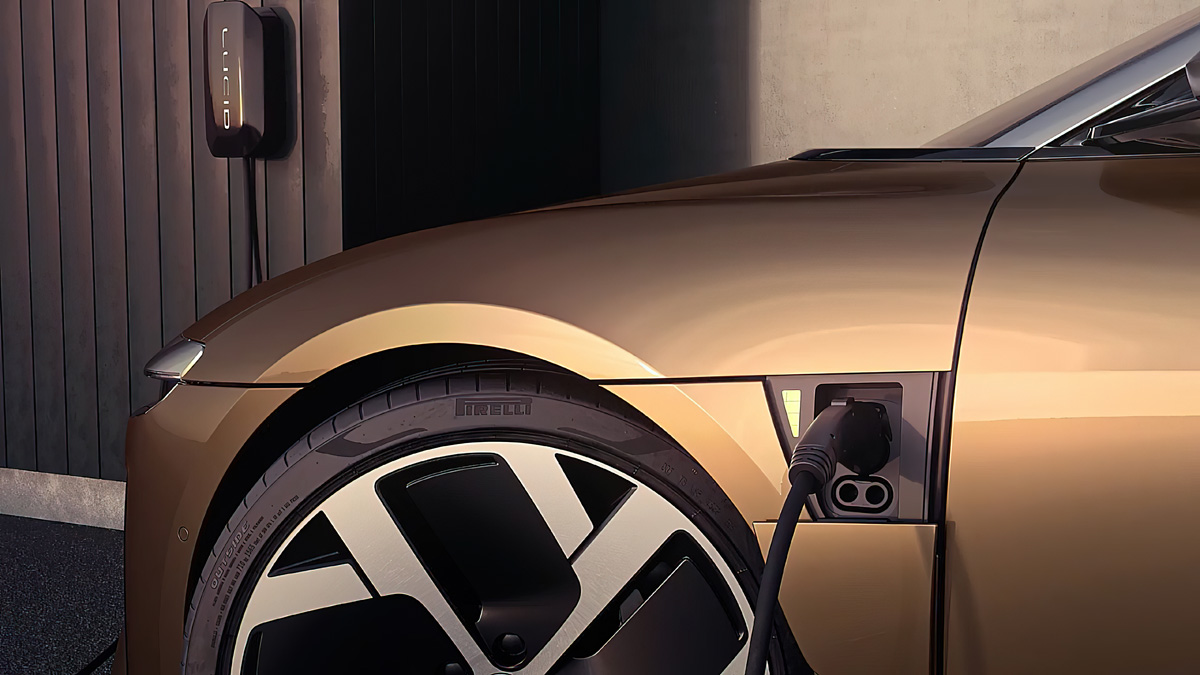
Although bidirectional charging for EVs remains a niche technology, writes Nick Flaherty, progress on its uptake is being made. Vehicle-to-grid (V2G) charging is an appealing technology, as it enables EV batteries to be used as part of the electricity grid to even out demand. For example, electric car owners could charge their...

Deep Insight

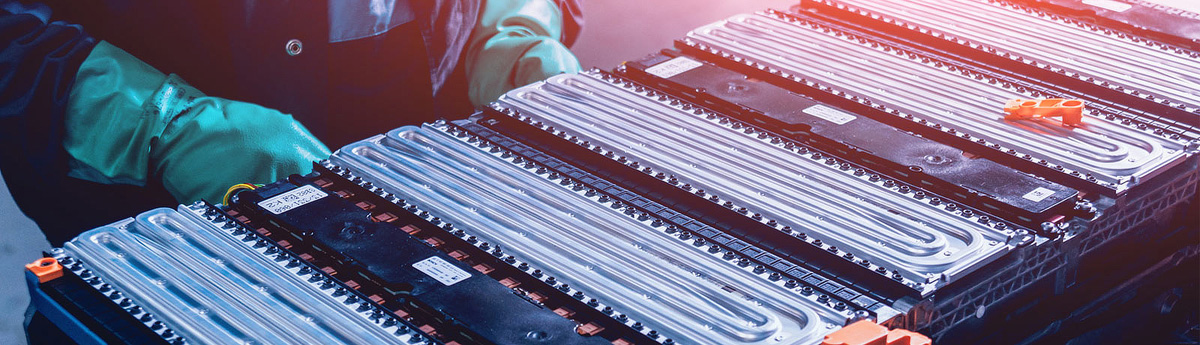
Battery Testing

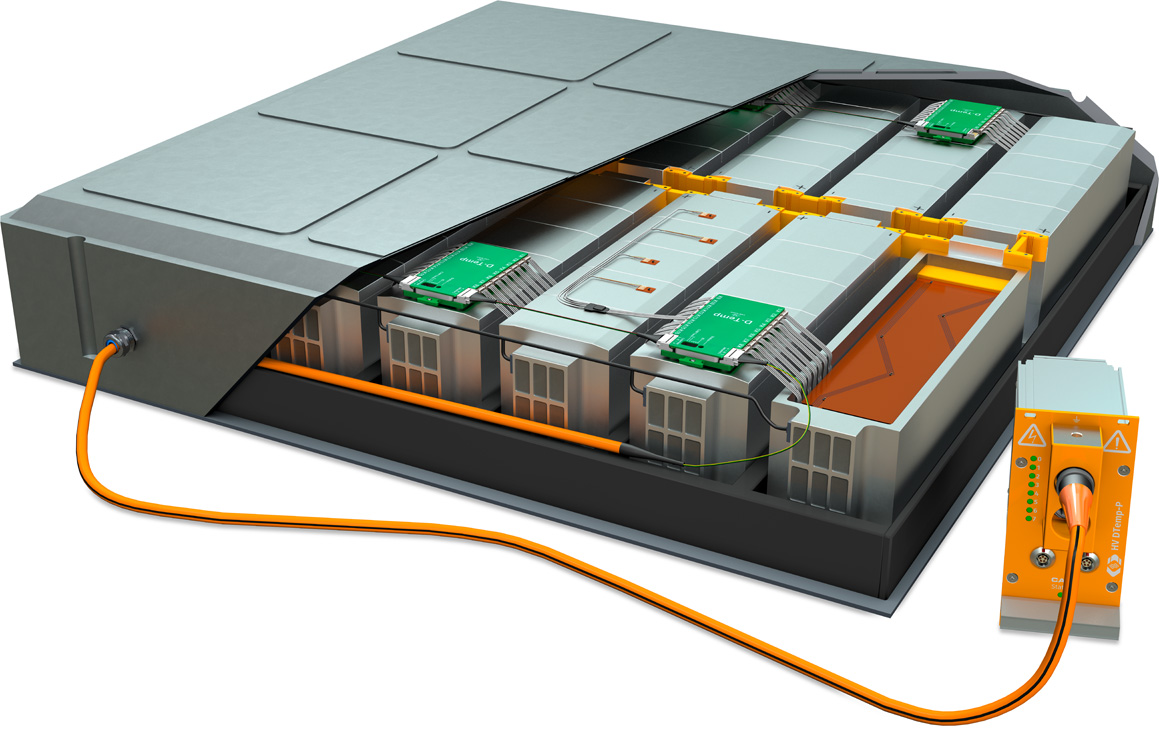
Battery test systems are proving key to speeding up the development times for new batteries, as Nick Flaherty explains. At the heart of testing battery cells, modules and packs are the levels of voltage and current. Temperature and pressure are increasingly important conditions ...

Deep Insight

EMI

Nick Flaherty explains the different ways of protecting against EMI in EV platforms, and why it needs to be considered from the earliest stages of system design. Essentially there are only three ways to handle electromagnetic interference (EMI) – don’t produce it, filter it out or shield from it. These options lead to a wide range of design trade-offs in e-mobility designs, from the power systems through the...

Deep Insight

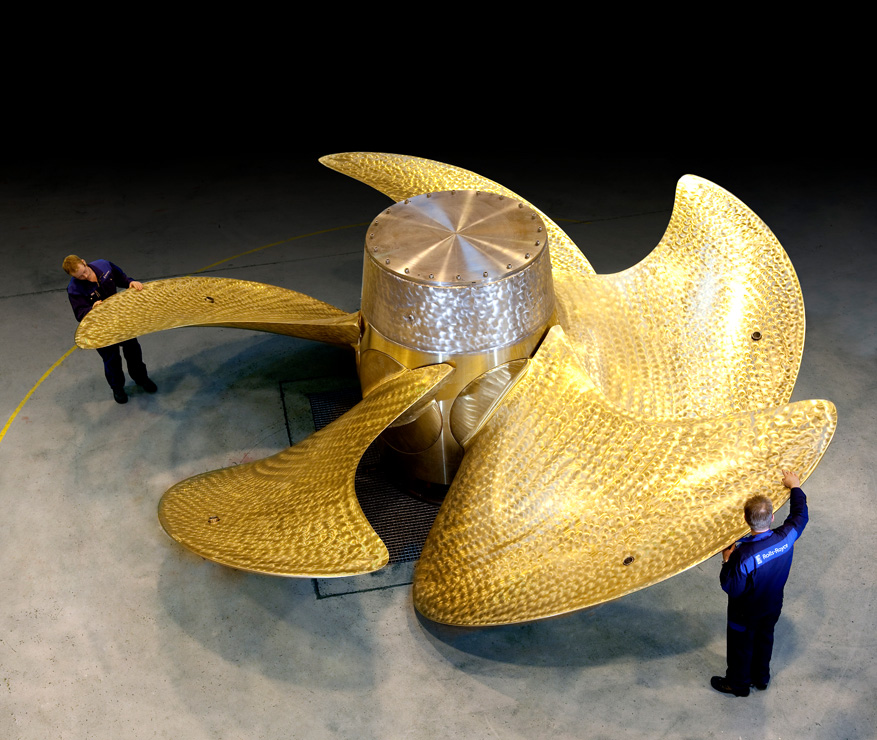
Power and torque density

How do you choose the most suitable type of motor for a given application? Peter Donaldson gets some expert input. One of the many challenges facing the developers of the BB Green ferry project was finding an electric propulsion motor of sufficient power, power-to-weight ratio, compactness and...

Deep Insight

Welding

Nick Flaherty explains the pros and cons of the various welding techniques for connecting cells to form battery packs. A battery pack in an EV consists of a large number of individual battery cells that are held together mechanically and connected electrically. Making those mechanical and electrical connections poses several challenges, including the joining of multiple thin...

ONLINE PARTNERS