Battery

Web exclusive

Parker Expands CoolTherm® line with new SF-1000 Foam for battery safety

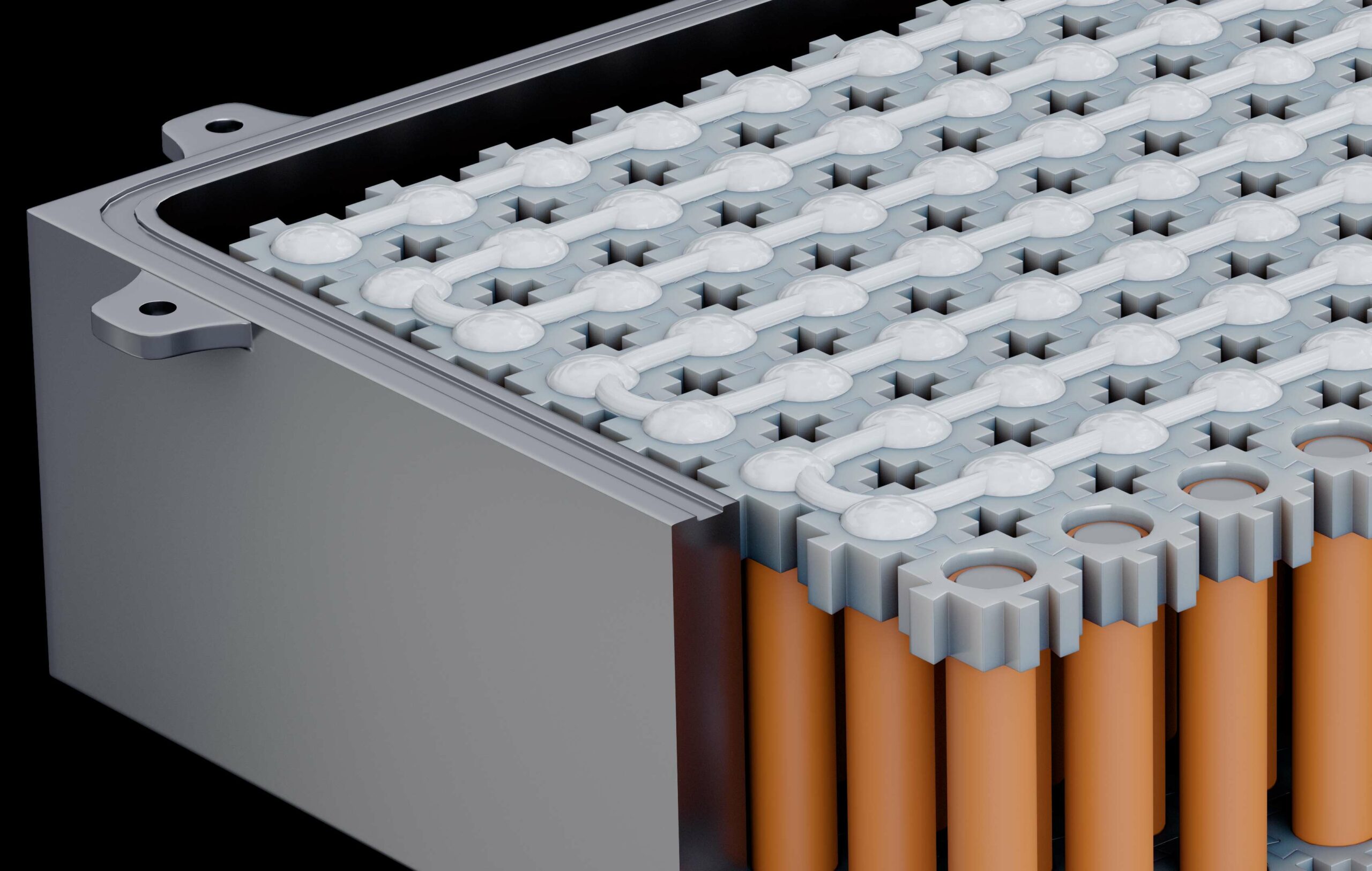
Parker Hannifin has introduced a new silicone foam material aimed at improving battery safety in cylindrical lithium-ion cell packs. The product, CoolTherm SF-1000, is a liquid-dispensed, non-expanding thermal barrier designed to mitigate thermal runaway propagation while simplifying manufacturing processes.

Web exclusive

MG’s SolidCore battery: why semi-solid state is the smarter path to production

As EVs migrate to higher voltages and more aggressive operating environments, the demand for protective coatings has shifted from passive defence to active engineering.

Web exclusive

AkzoNobel’s Resicoat targets corrosion and insulation in next-generation EV components

As EVs migrate to higher voltages and more aggressive operating environments, the demand for protective coatings has shifted from passive defence to active engineering. Components such as battery housings and cooling systems face electrochemical and physical stressors far beyond those of traditional underbody parts, writes Peter Donaldson.

Web exclusive

Battery debonding

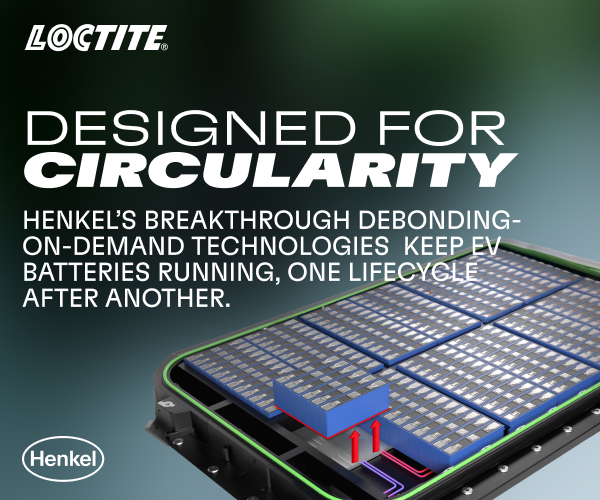
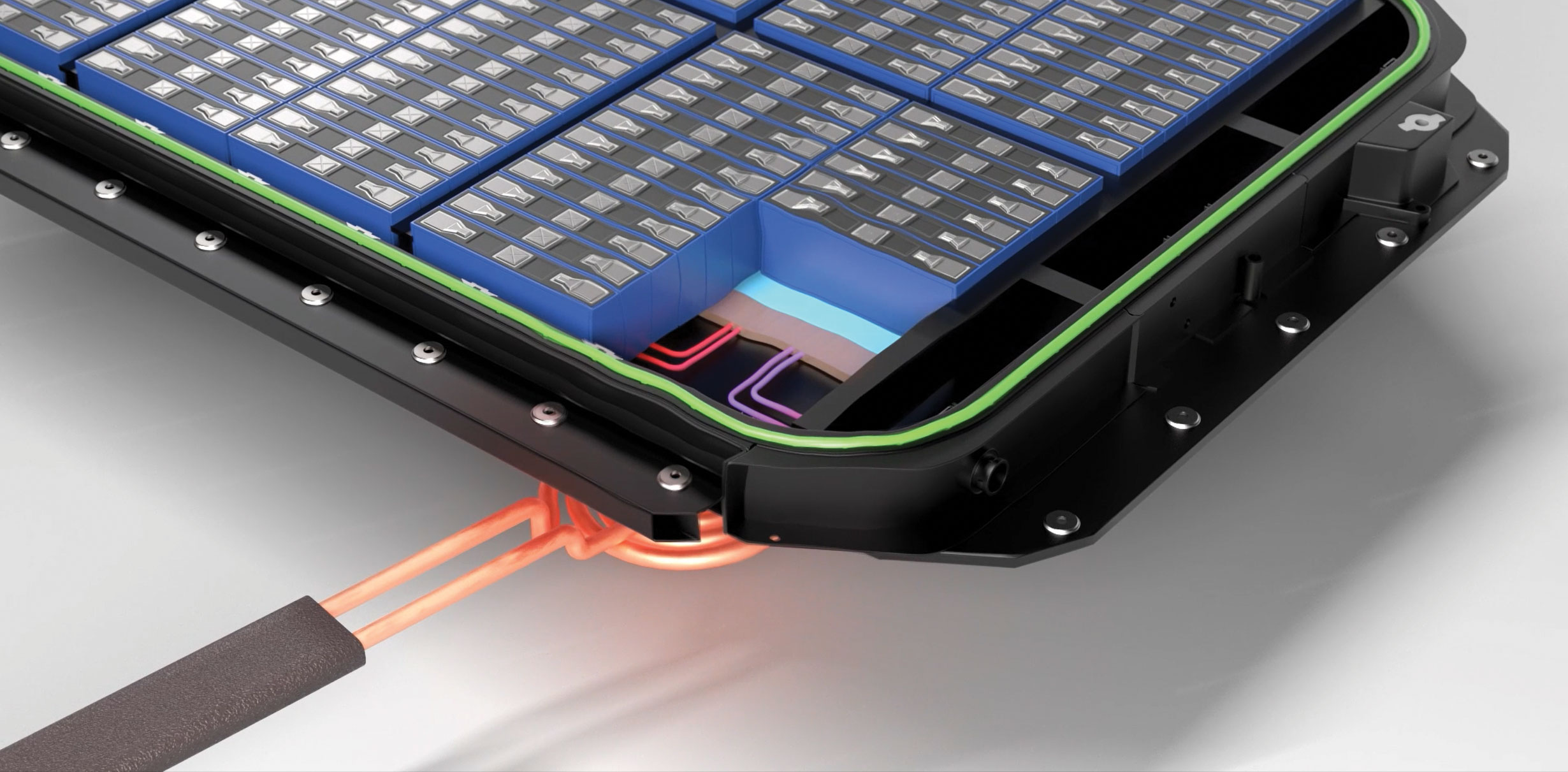
Henkel’s debonding-on-demand technology turns EV batteries from “single-use” assets into repairable, upgradeable and recyclable platforms, cutting costs across the full lifecycle while helping OEMs meet circularity and regulatory targets. The solution combines robust in-use bonding with controlled, precise separation on-demand, allowing valuable materials to remain in circulation across multiple lifecycles and supporting a more sustainable EV battery ecosystem.

Web exclusive

Structural adhesives for EV battery enclosures

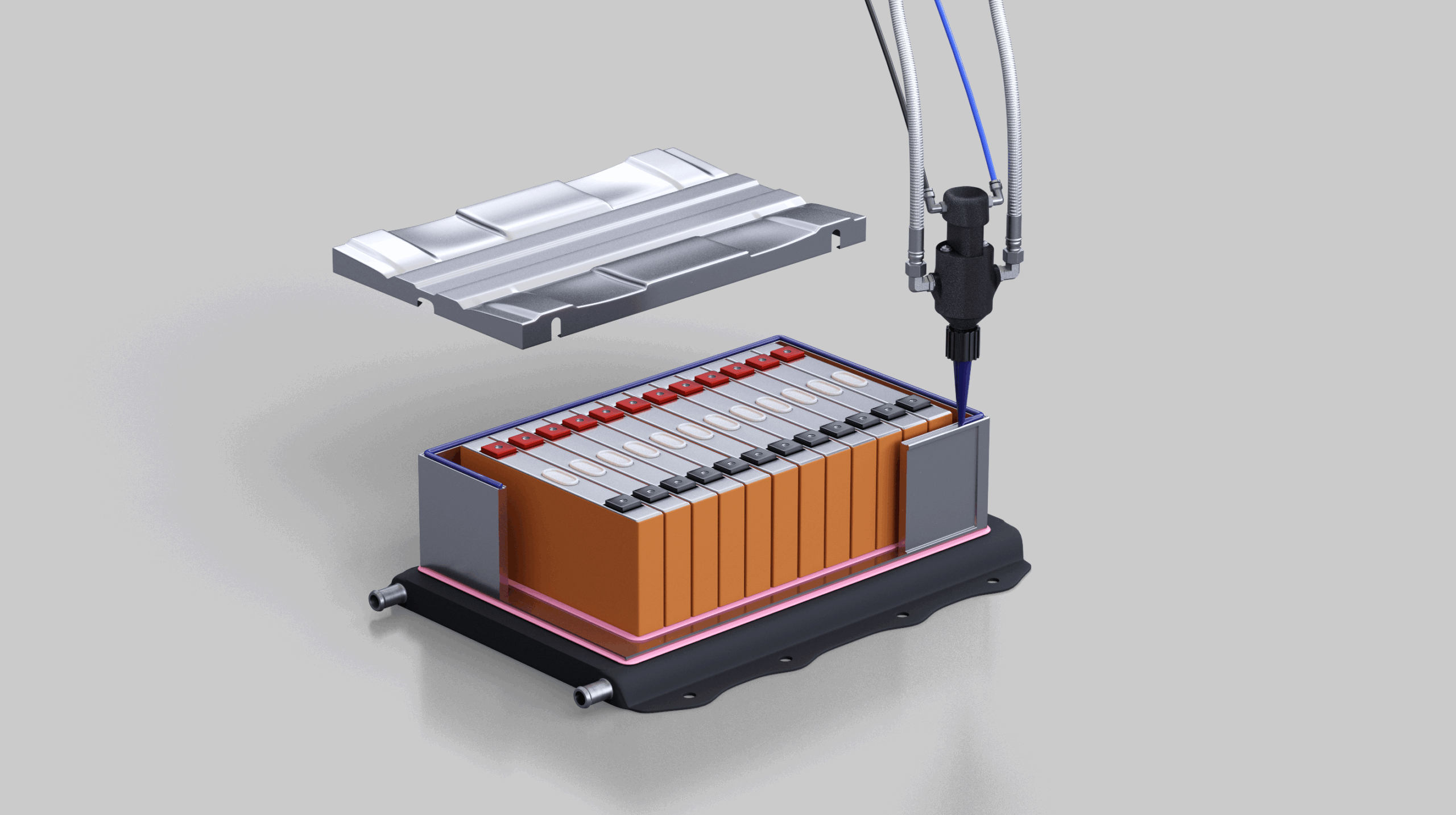
Making the EV battery pack a structural component of the vehicle has placed unprecedented demands on joining technologies. As engineers strive to increase energy density, manage thermal loads, and ensure crashworthiness, the limitations of traditional welding and mechanical fasteners become increasingly apparent, writes Peter Donaldson.

Grid

New battery design for longer-range EVs

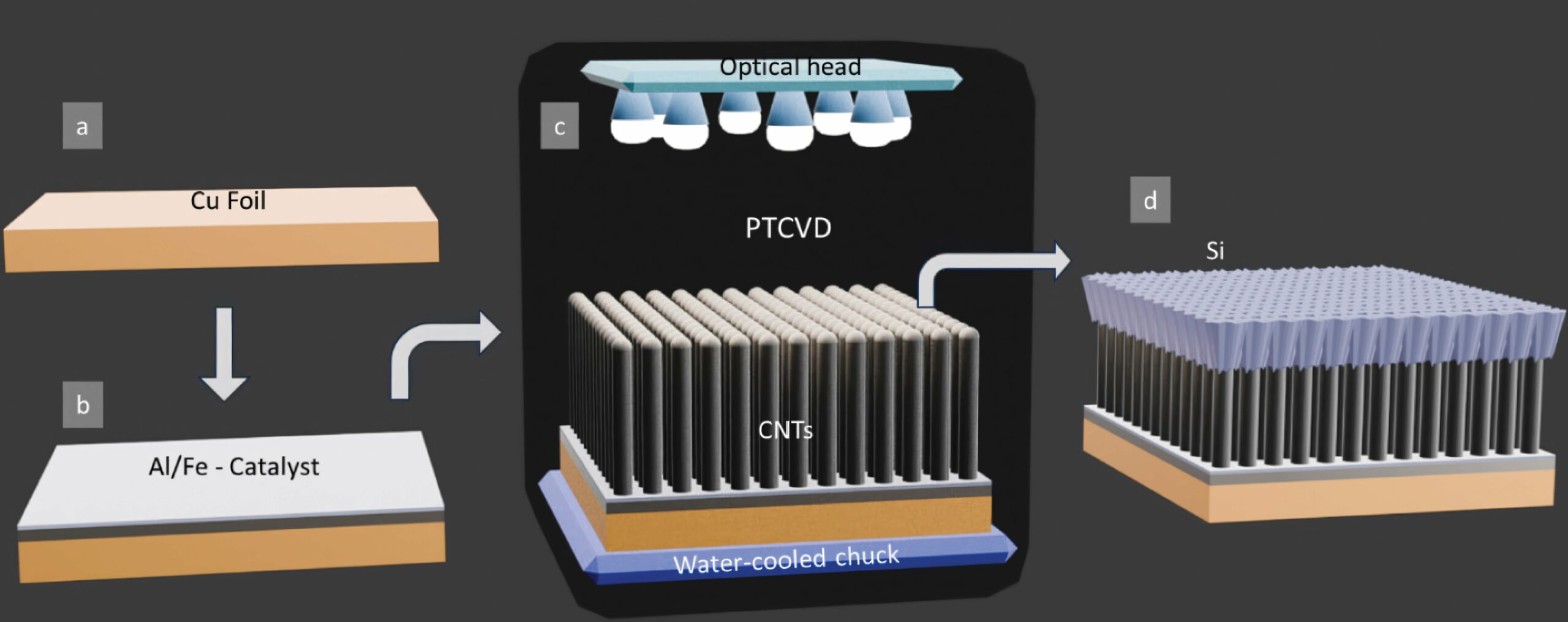
Researchers in the UK have developed a battery design that could significantly extend the range of EVs, writes Nick Flaherty. A team at the University of Surrey’s Advanced Technology Institute (ATI) has developed a technique for making silicon-coated carbon nanotubes (CNTs) that can be used for high-volume roll-to-roll production of anodes for lithium-ion batteries. The […]

Grid

Lithium metal battery tops 1270 Wh/L

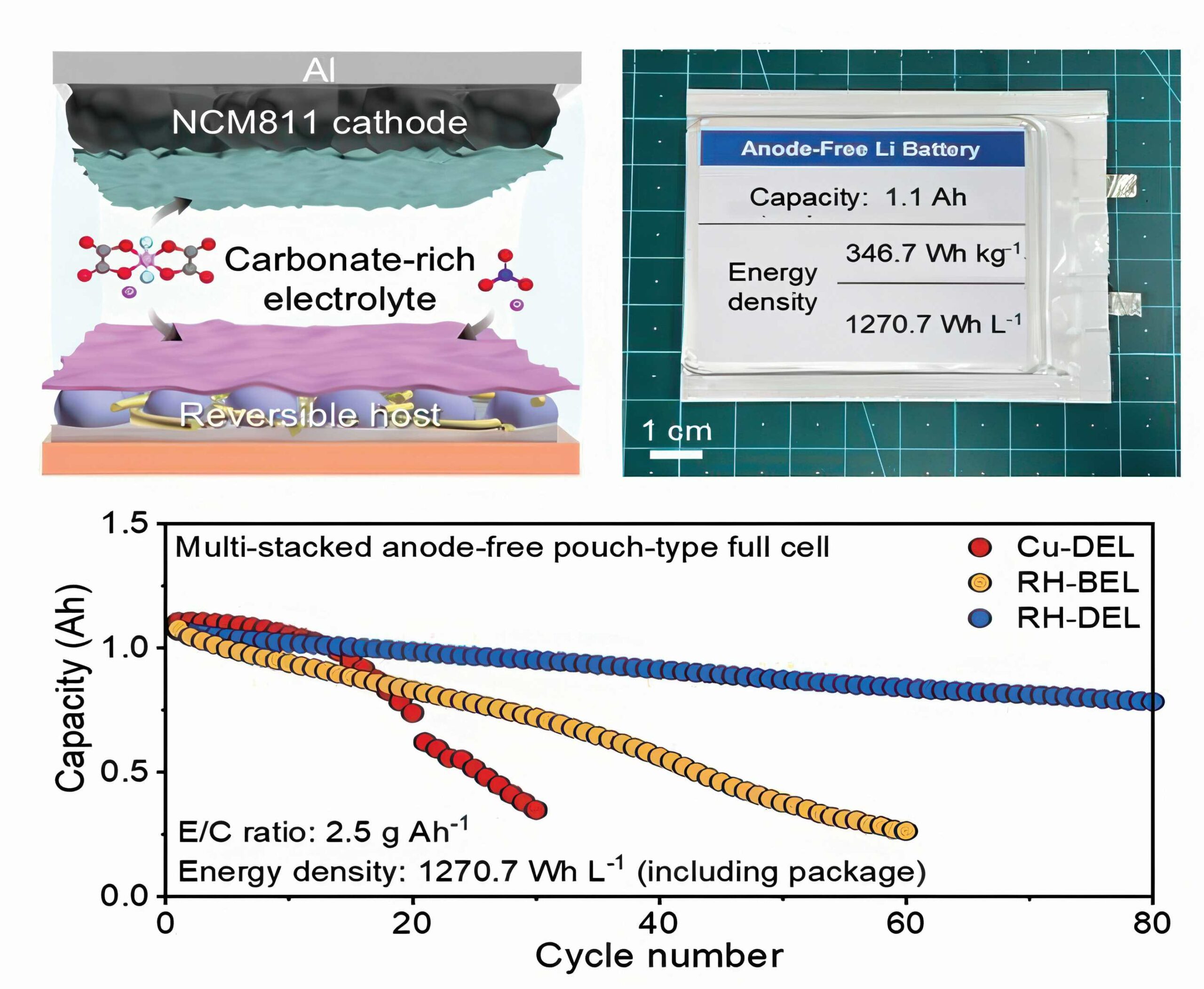
Researchers in South Korea have doubled the volumetric energy density of an anode-free lithium metal battery to boost the range of EVs, writes Nick Flaherty.

PS

Fleet-level battery state of health

In late March, German technical inspection and certification organisation TÜV Nord and vehicle diagnostics company Carly released a report into battery state of health (SoH) across a large sample of EVs over a broad age range.

Focus on...

Battery safety

Peter Donaldson samples the many layers of defence involved in ensuring battery safety Lithium-ion batteries present a fundamental engineering trade-off. The technology offers the high energy density that makes e-mobility possible, yet it contains inherent chemical instability – to varying degrees depending on chemistry – that, when triggered, can unleash a self-sustaining cascade of heat, gas and fire.

Focus on...

Battery manufacturing

Battery manufacturing is one of the most complex industrial challenges of the e-mobility era. The gap between laboratory perfection and mass-production reality is where ambitious projects succeed or fail. This article brings together a number of expert voices from across the battery manufacturing value chain: welding, dry coating chemistry, coating and filling, factory automation, cell assembly, digital automation, laser optics, digital twins and data and also X-ray inspection.

ONLINE PARTNERS