Home > Topics > Fuel cells
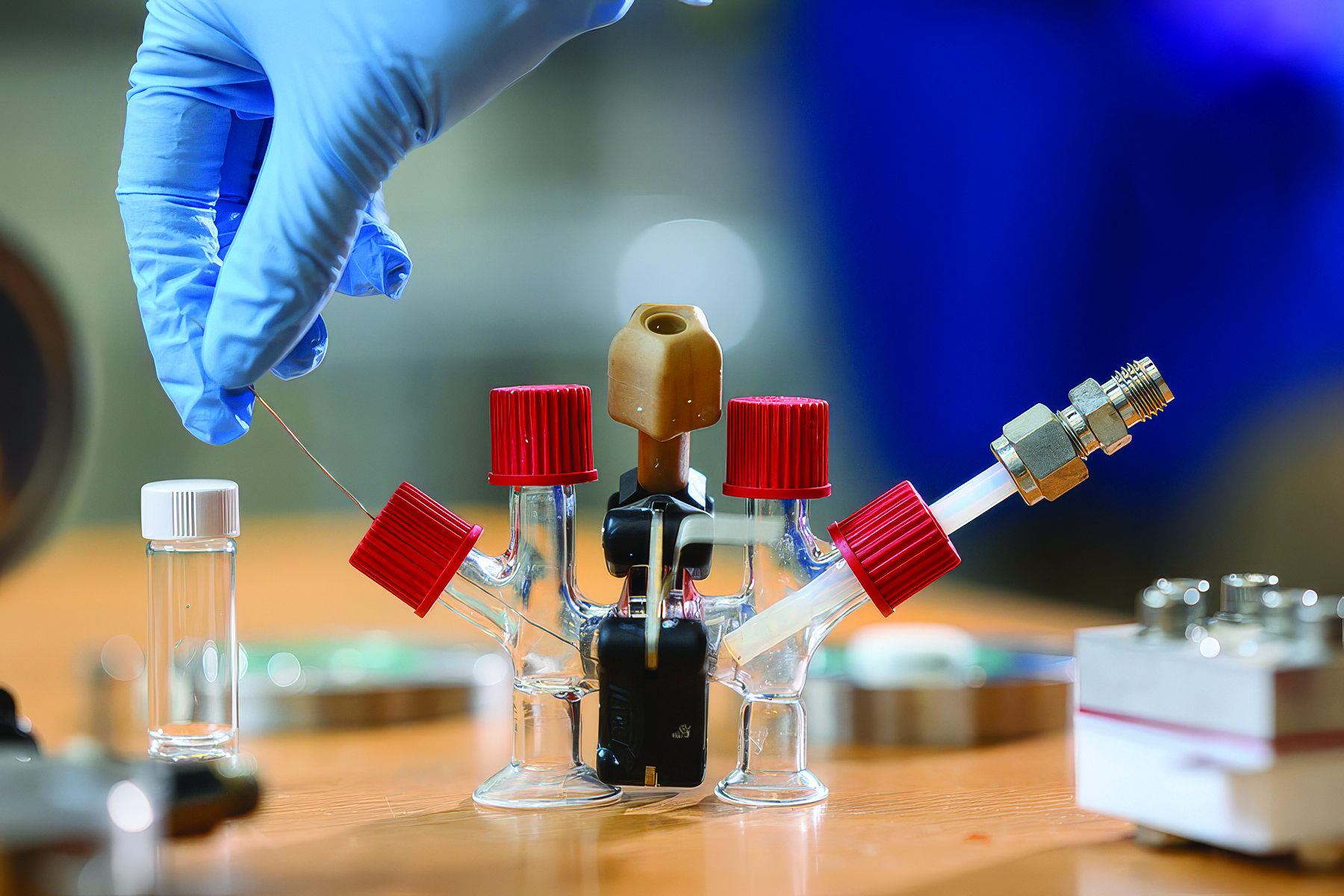
Researchers in the US have developed a sodium/air fuel cell that can be used for electric aircraft, writes Nick Flaherty.
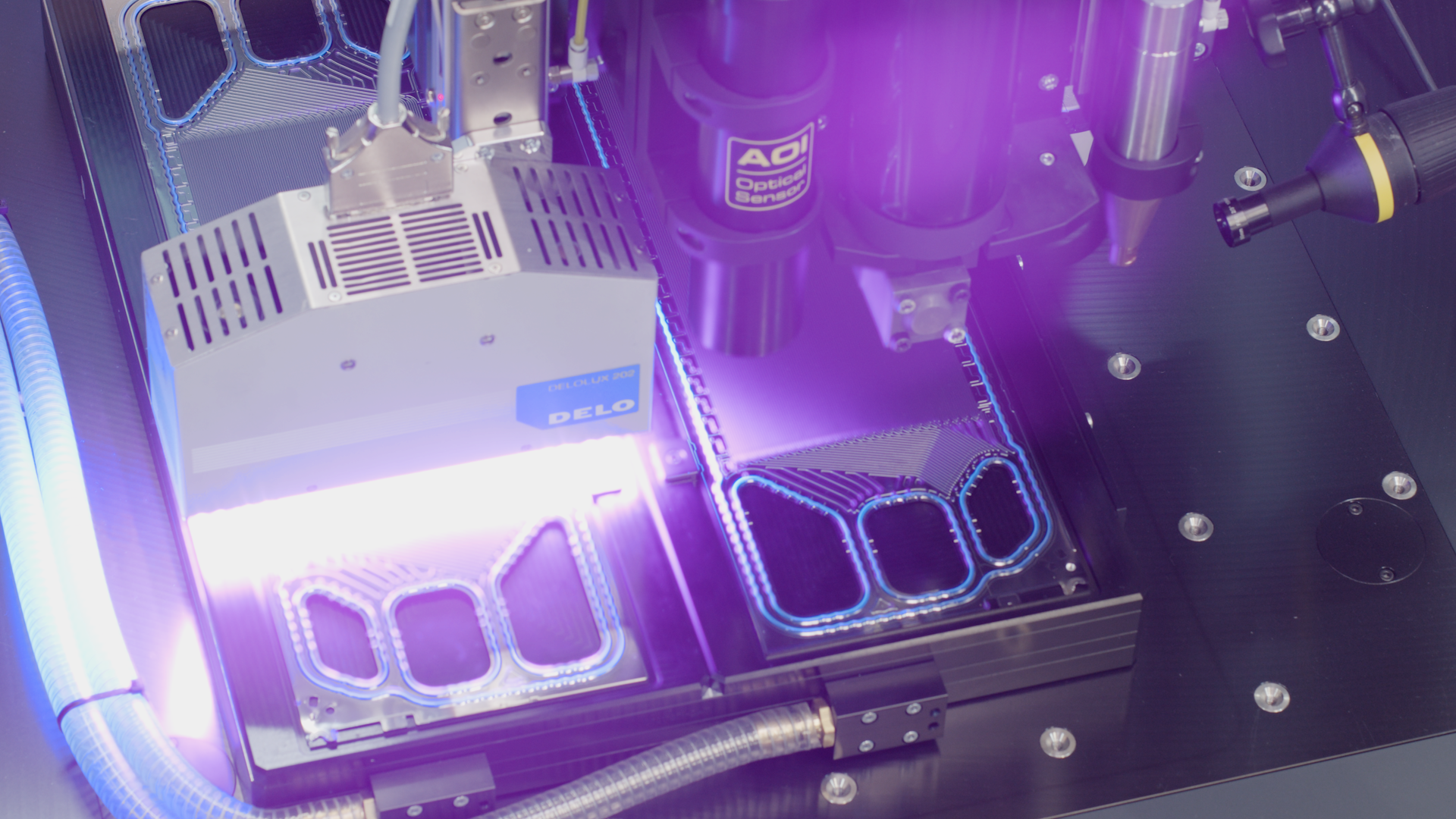
The transition from prototype to volume manufacture in fuel cell production hinges on details that become critical at scale. One key factor is the sealing of individual fuel cells within a stack, where any breach in tightness risks long-term system reliability.
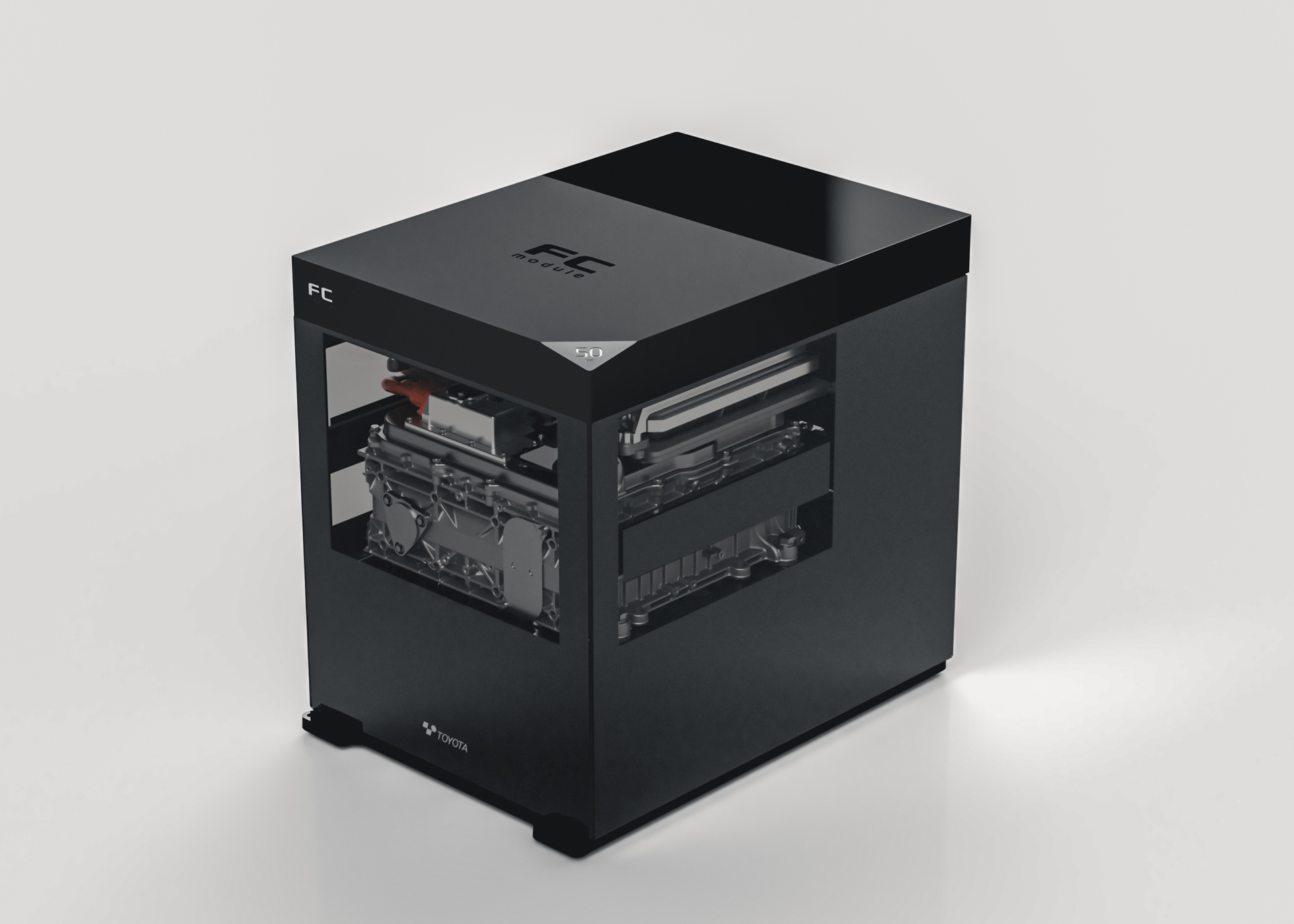
Toyota has developed a fuel cell (FC ) module with an output of 50kW, which can be installed in lift trucks, agricultural machinery and construction equipment, among others.
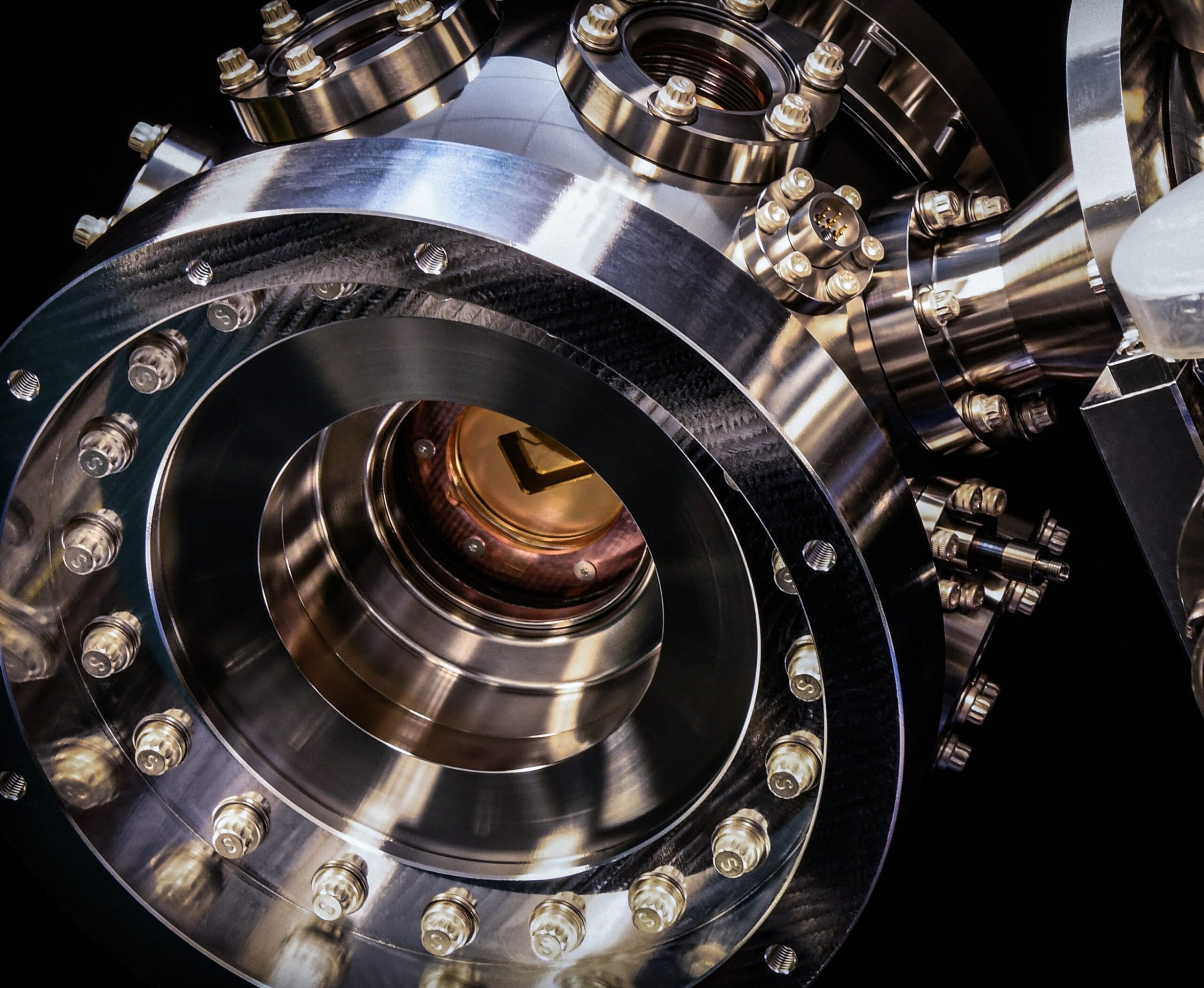
BMW and Airbus are using a quantum computer to improve the design of hydrogen fuel cells (writes Nick Flaherty). The two are working with quantum computing company Quantinuum on a design flow that combines quantum and classical techniques to speed up research.
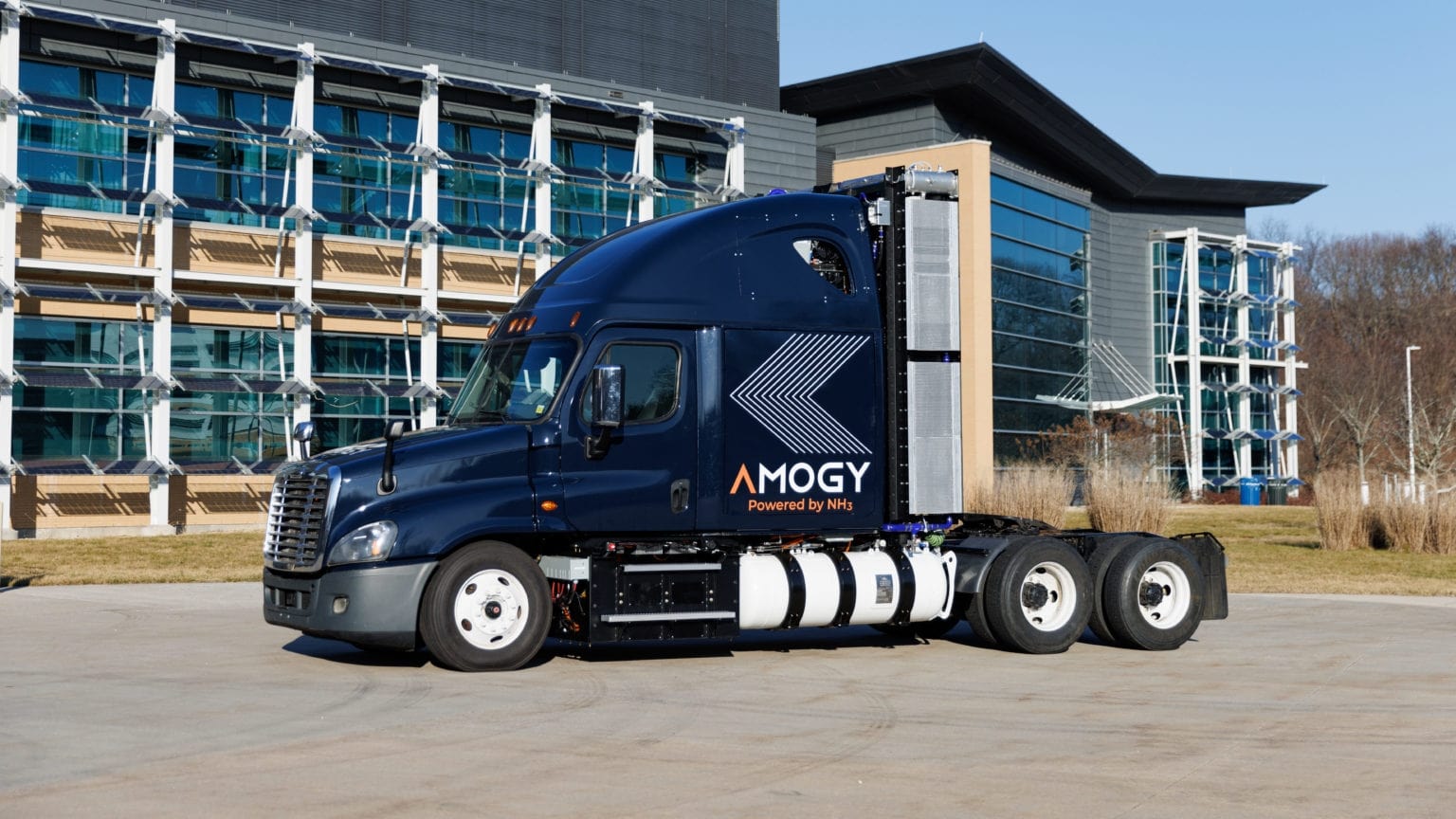
For all practical purposes, there is more hydrogen in ammonia (NH3) than in pure hydrogen, because hydrogen is a diffuse gas at ambient temperatures and pressures (writes Peter Donaldson).
Technical Services (UK) has been announced as an approved partner of Hyer Power, a project led by hydrogen commercial vehicle conversion company ULEMCo to develop a hydrogen fuel cell (FC) range extender...
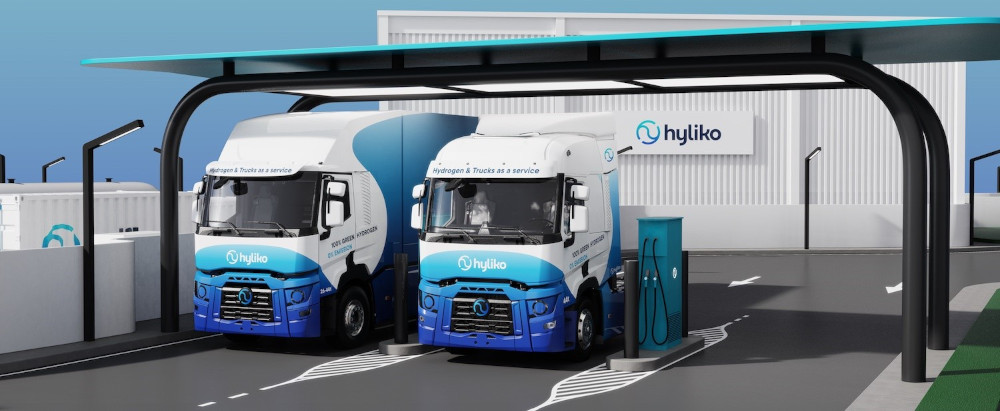
Start-up business Hyliko is planning to integrate Toyota’s second-generation hydrogen fuel cell
Universal Hydrogen has flown a 40-passenger regional
ZeroAvia has flown a 19-seat Dornier 228 twin-engine aircraft as a testbed for its full-sized hydrogen fuel cell engine (writes Nick Flaherty). The aircraft was retrofitted
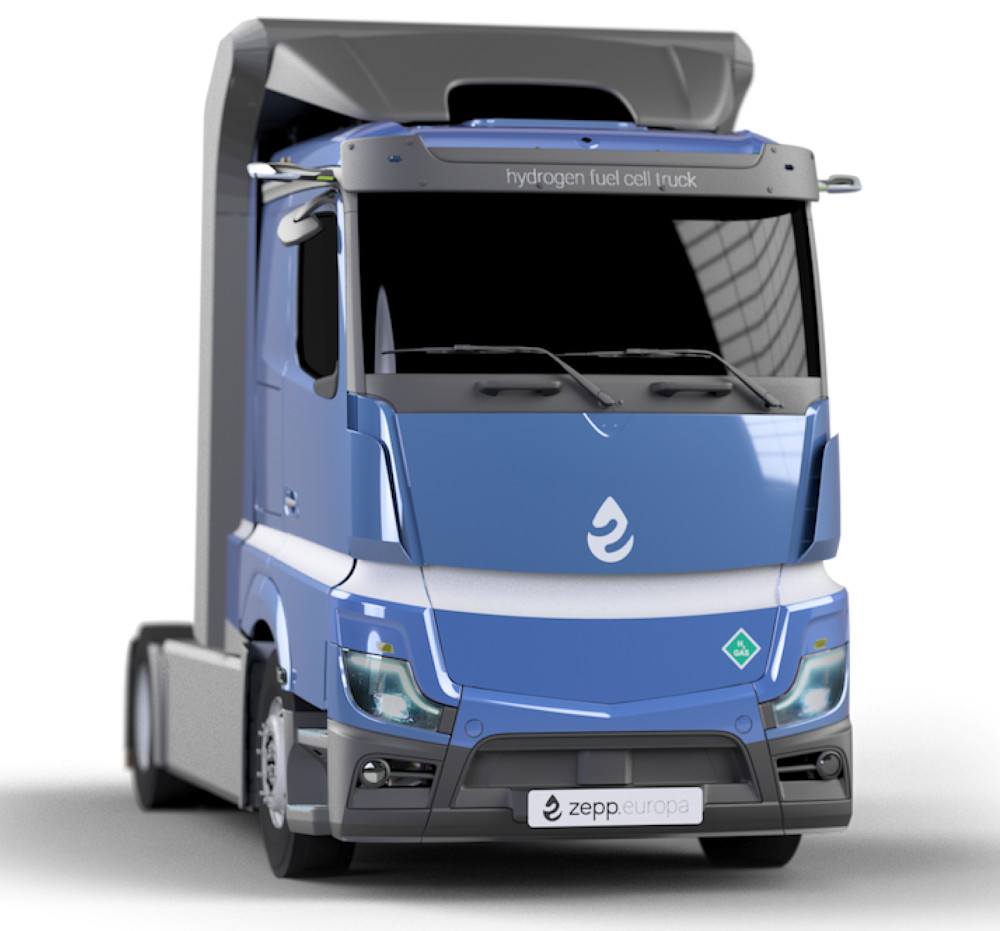
Zepp.solutions has unveiled more specifications and the name for its new hydrogen fuel cell powered truck, the Europa, which is designed as a zero-emissions
Sign up to the E-Mobility Engineering newsletter and stay up-to-date with the fascinating and ever-changing hotbed of innovation!
Δ