Charging

Web exclusive

BYD’s FLASH Charging is an exercise in systems engineering

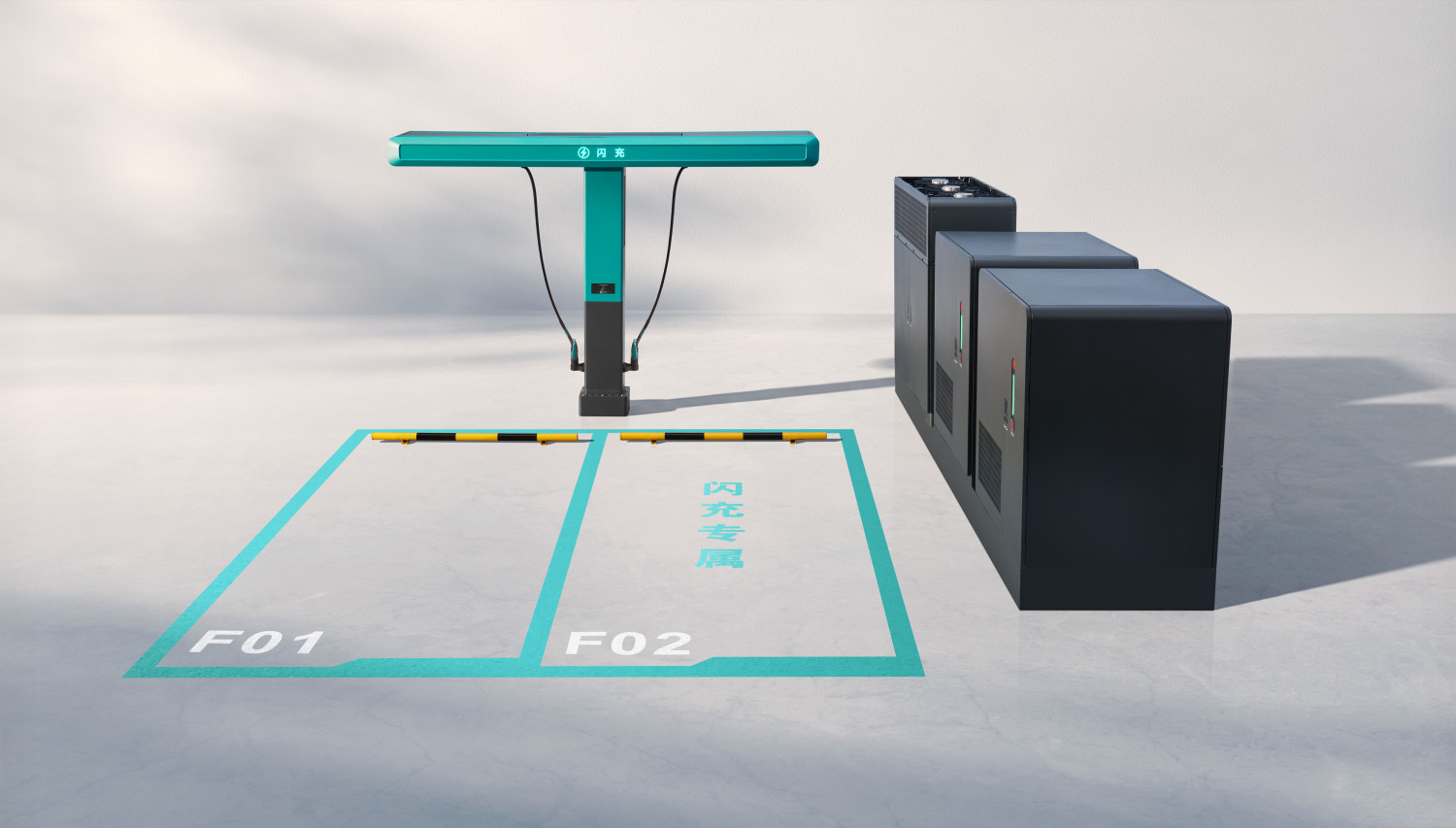
Behind the recent headlines surrounding BYD’s “flash charging” technology is an intriguing case study in holistic system integration. While the peak power of 1,500 kW (1.5 MW) is impressive, a much broader systems engineering effort has gone into orchestrating the performance of a new battery architecture, a high-current delivery system, and an intelligent, grid-friendly infrastructure. […]


Grid

Flyback converter for e-bike chargers

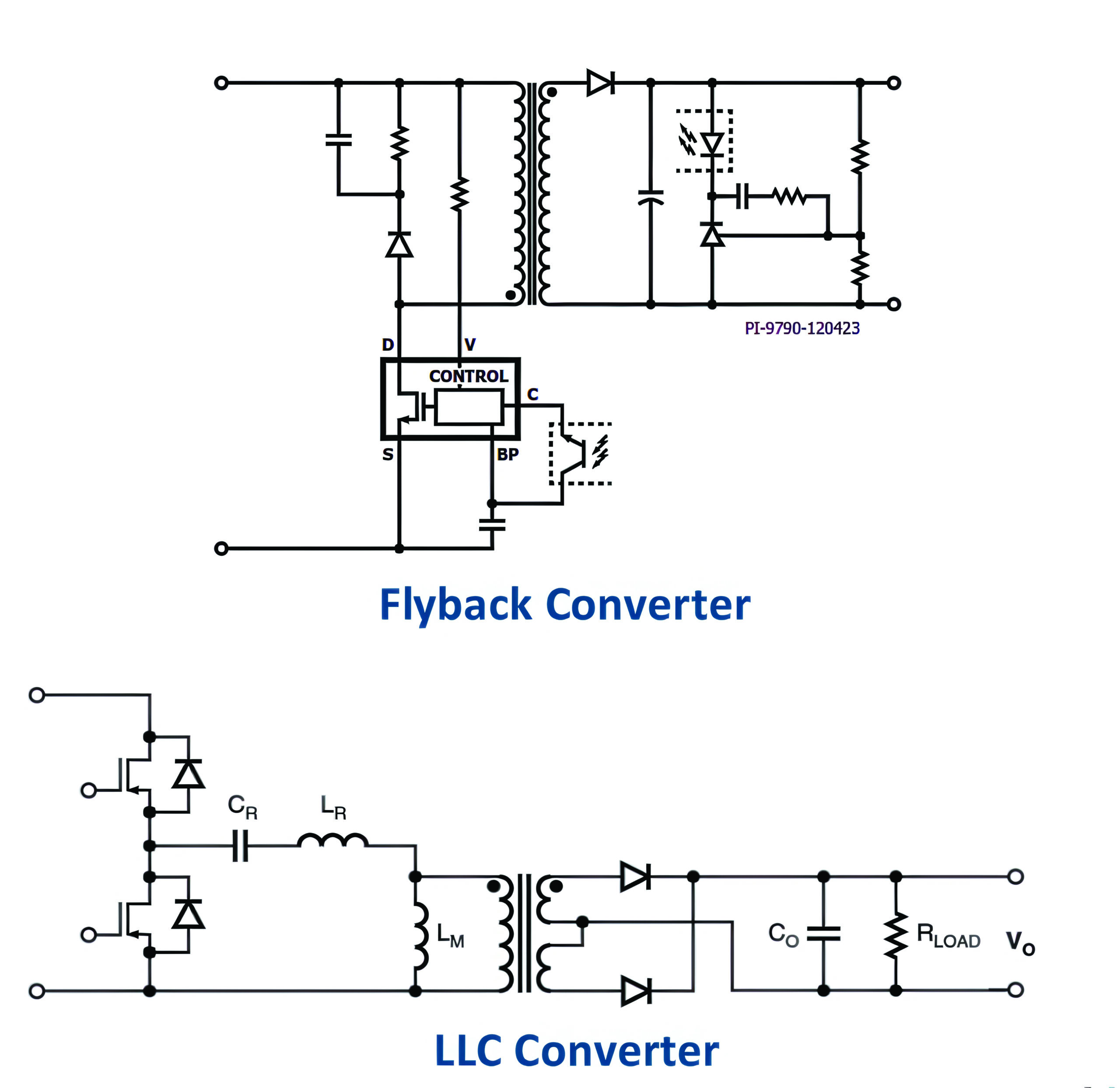
Power Integrations (PI) has updated a key power converter for higher-power e-bike chargers with a new control algorithm and more power-efficient gallium nitride (GaN), writes Nick Flaherty. TOPSwitch is a simple single flyback converter that is used around the globe. The latest version with GaN extends the flyback converter from 250 up to 450 W for the higher-power battery chargers in e-bikes.

Web exclusive

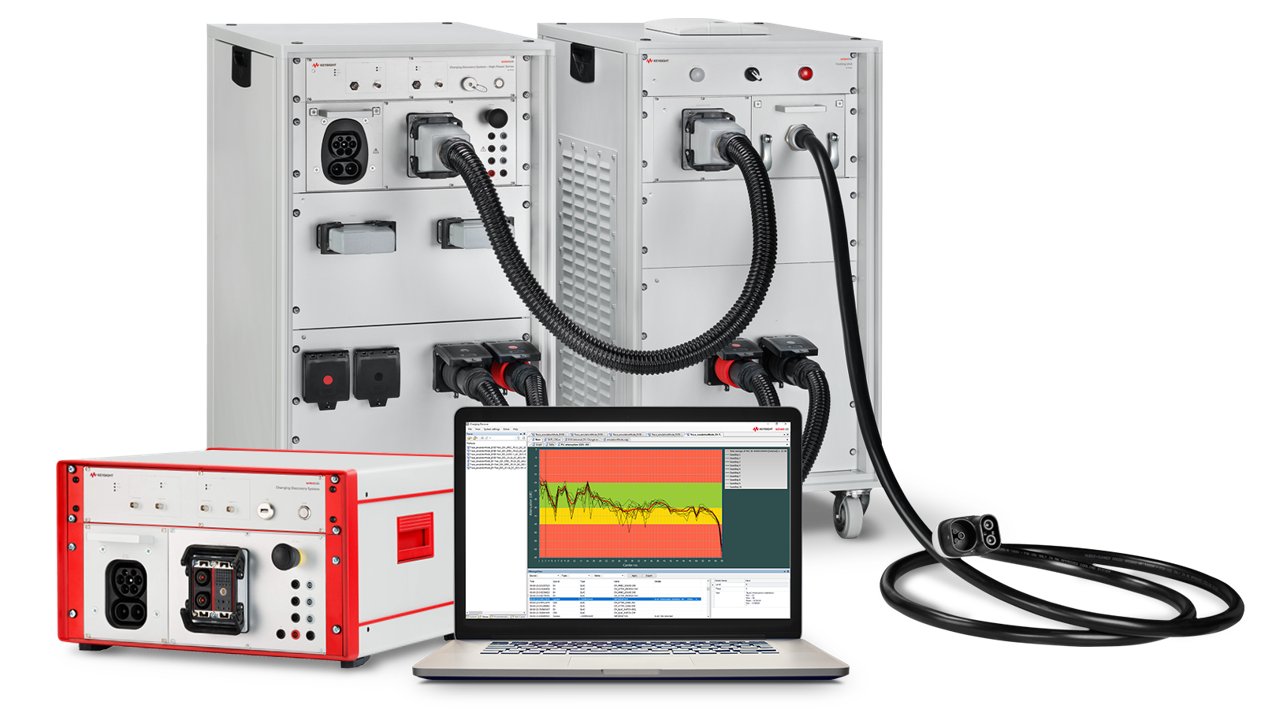
Closing the compliance gap: validating EV chargers ahead of ISO 15118-20

For engineers developing EV chargers and the broader infrastructure — from connectors and cables to software, collectively known as EV supply equipment (EVSE) - the European Union's Alternative Fuels Infrastructure Regulation (AFIR) has fundamentally redefined the validation timeline.

Grid

Proactive AI for EV charging

Monta in Denmark has developed a layer of AI for its charger system software, writes Nick Flaherty. As EV charging networks expand rapidly, operators face a growing gap between scale and operational capacity.

Web exclusive

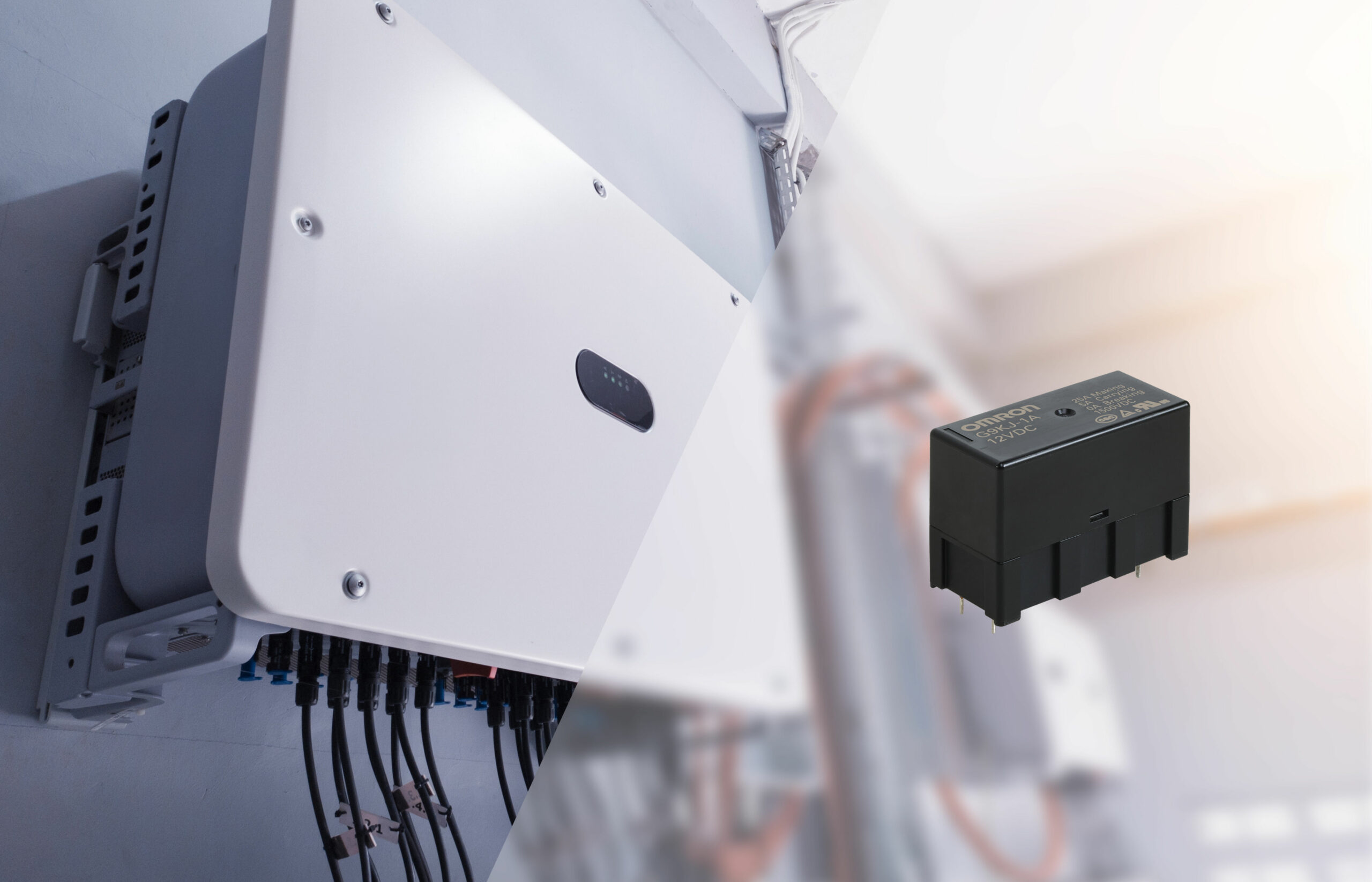
Omron G9KJ relay handles 1500 V pre-charge in EV chargers and grid storage

Omron Electronic Components Europe has put the G9KJ relay into production, a compact PCB-mount device rated to 1500 VDC and aimed squarely at pre-charge circuits in battery energy storage systems and high-voltage EV fast chargers. It is a small component with a pointed job, and its arrival reflects how seriously the industry now takes a switching function that was, not long ago, treated as an afterthought.

Grid

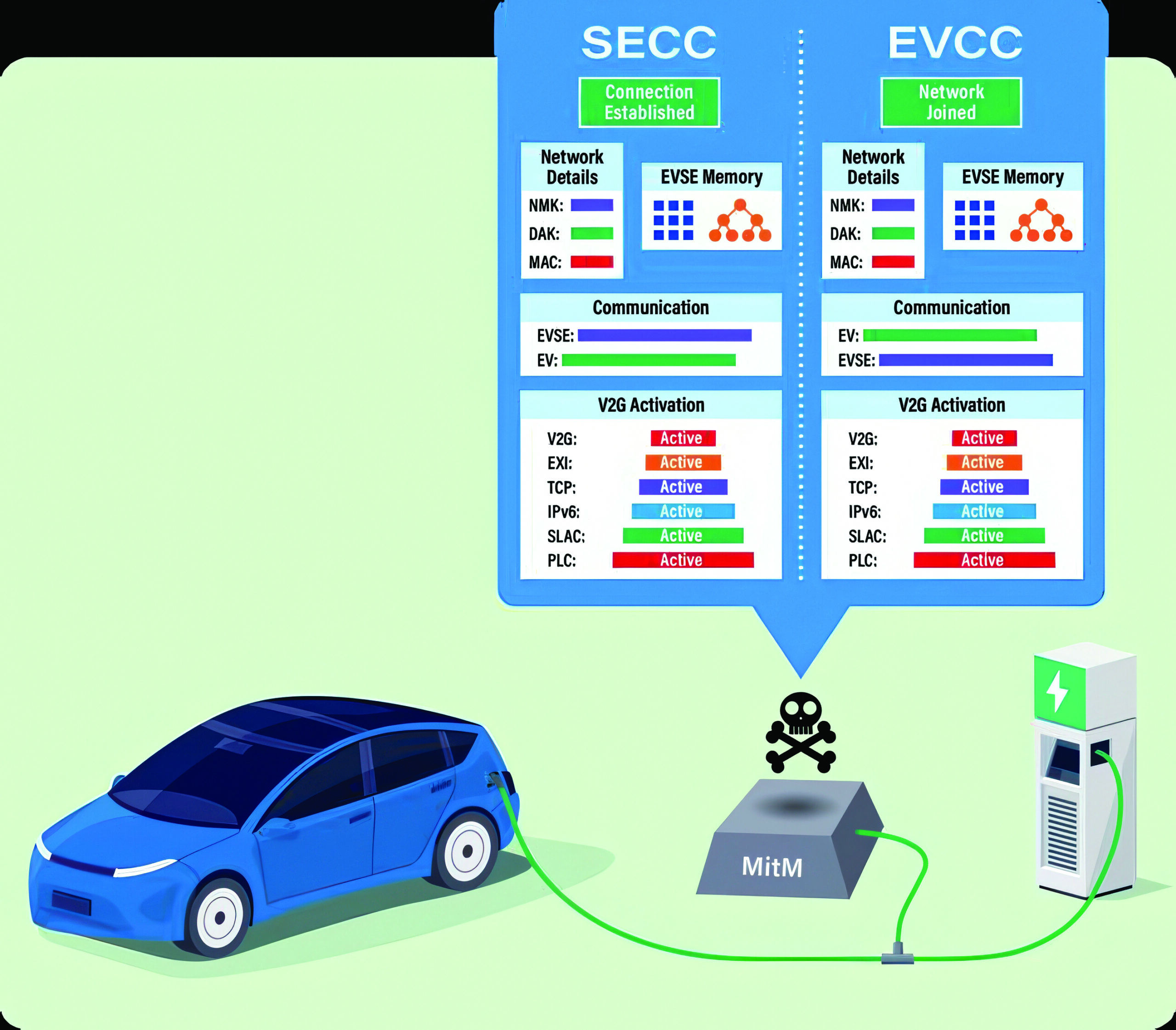
EV charger security vulnerability

Researchers in the US have identified a security vulnerability in a standard protocol governing communications between electric vehicles (EVs) and EV charging equipment, writes Nick Flaherty.

Grid

CPCV algorithm reduces harmonics in EV charging

Researchers in China have developed a constant power, constant voltage (CPCV) algorithm that can reduce the total harmonic distortion (THD) in EV charging networks, writes Nick Flaherty.

Web exclusive

High-power 19.2 kW liquid-cooled on-board charger advances EV battery charging efficiency

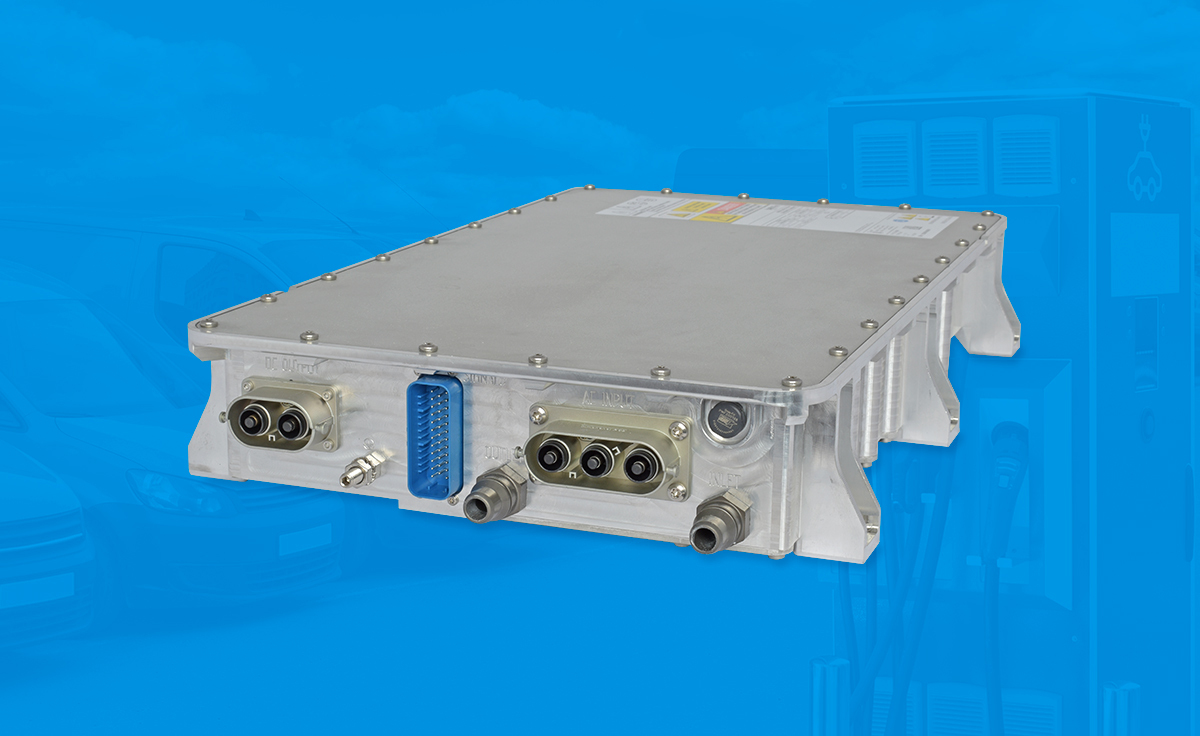
Bel Fuse Inc has introduced the BCF19-700-8, a liquid-cooled on-board charger designed for hybrid and electric vehicles and engineered to address the rising demand for high-voltage battery charging in e-mobility applications. Offering a peak output of 19.2 kW and supporting a voltage range from 450 to 900 VDC, the unit is built for deployment in […]

Deep Insight

Fast charging

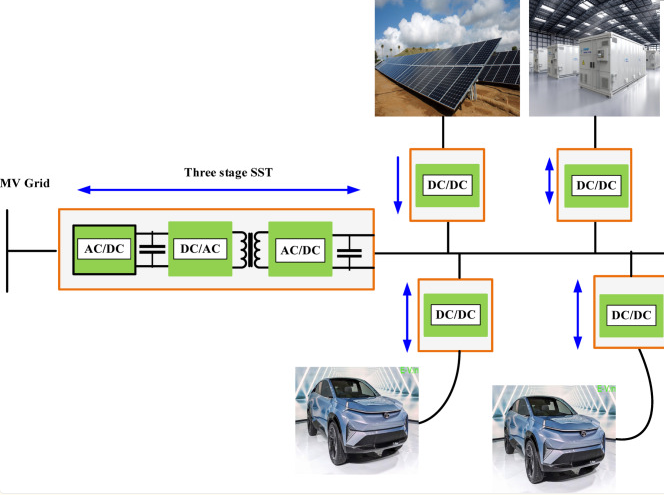
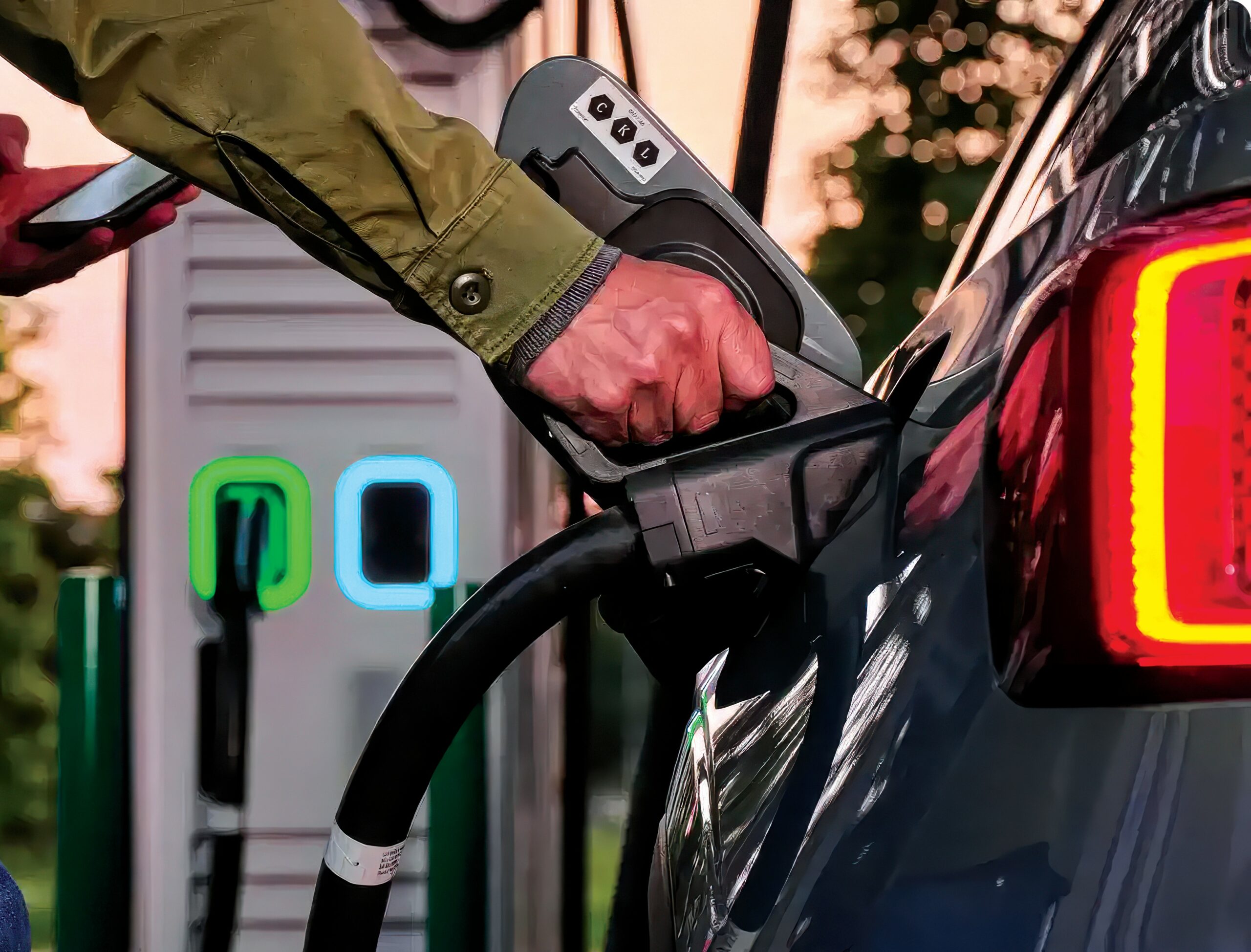
Nick Flaherty looks at the development of ultrafast-charging stations around the world. Drivers of EVs are often frustrated by the speed of charging. While home chargers use AC at power rates to 22 kW, fast charging covers direct current (DC) charging at a power of 30 kW.

Web exclusive

Porsche debuts 11 kW wireless inductive charging for new Cayenne Electric

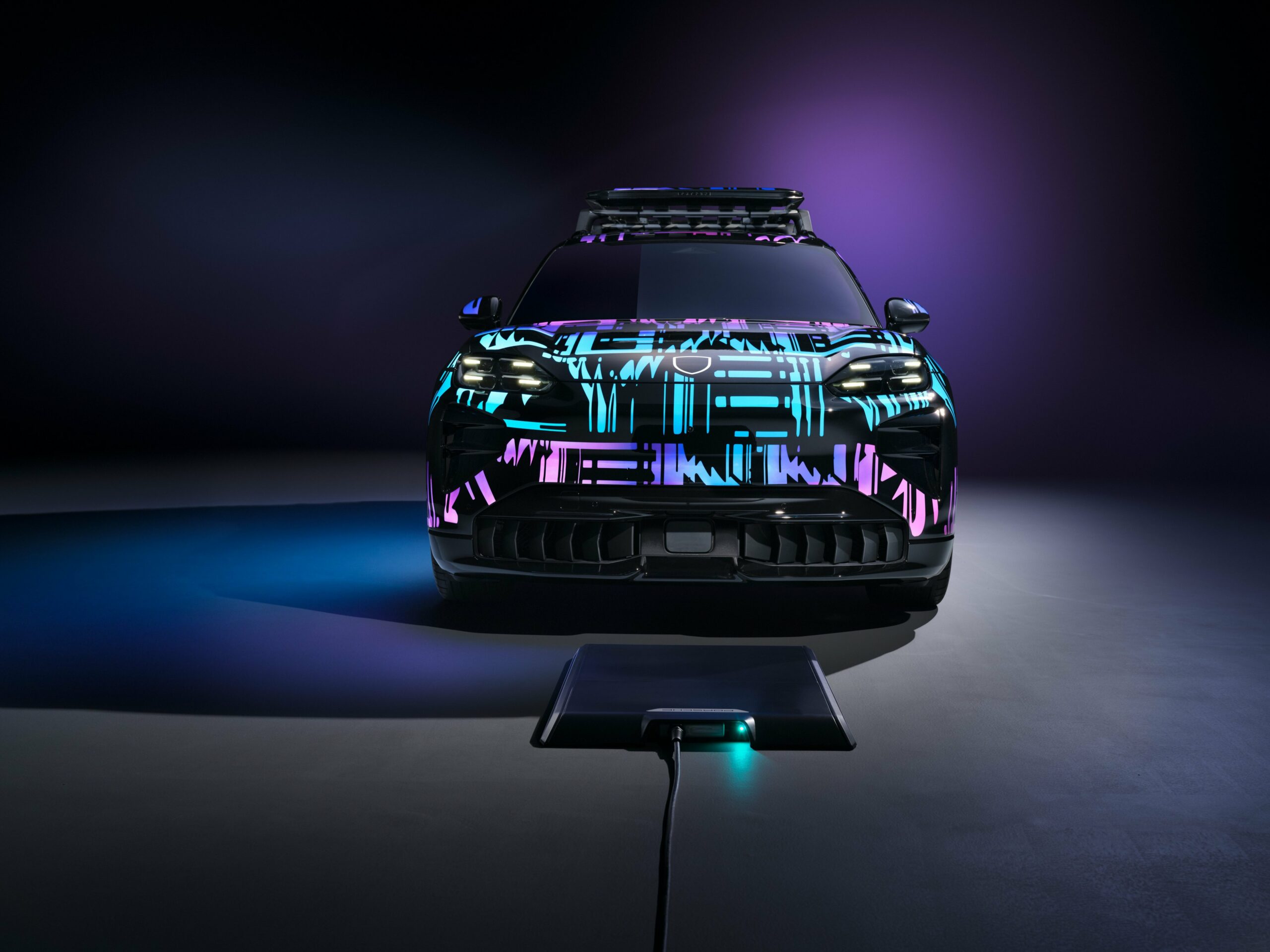
Porsche has developed a wireless charging system for its next generation battery-electric vehicles, designed to deliver AC charging performance of up to 11 kW without the need for a cable or wallbox. The system is based around a flat floor plate containing transmitter coils which, when connected to the grid, transfers energy inductively to a receiver unit integrated into the underbody of the vehicle.

ONLINE PARTNERS