Grid

Grid

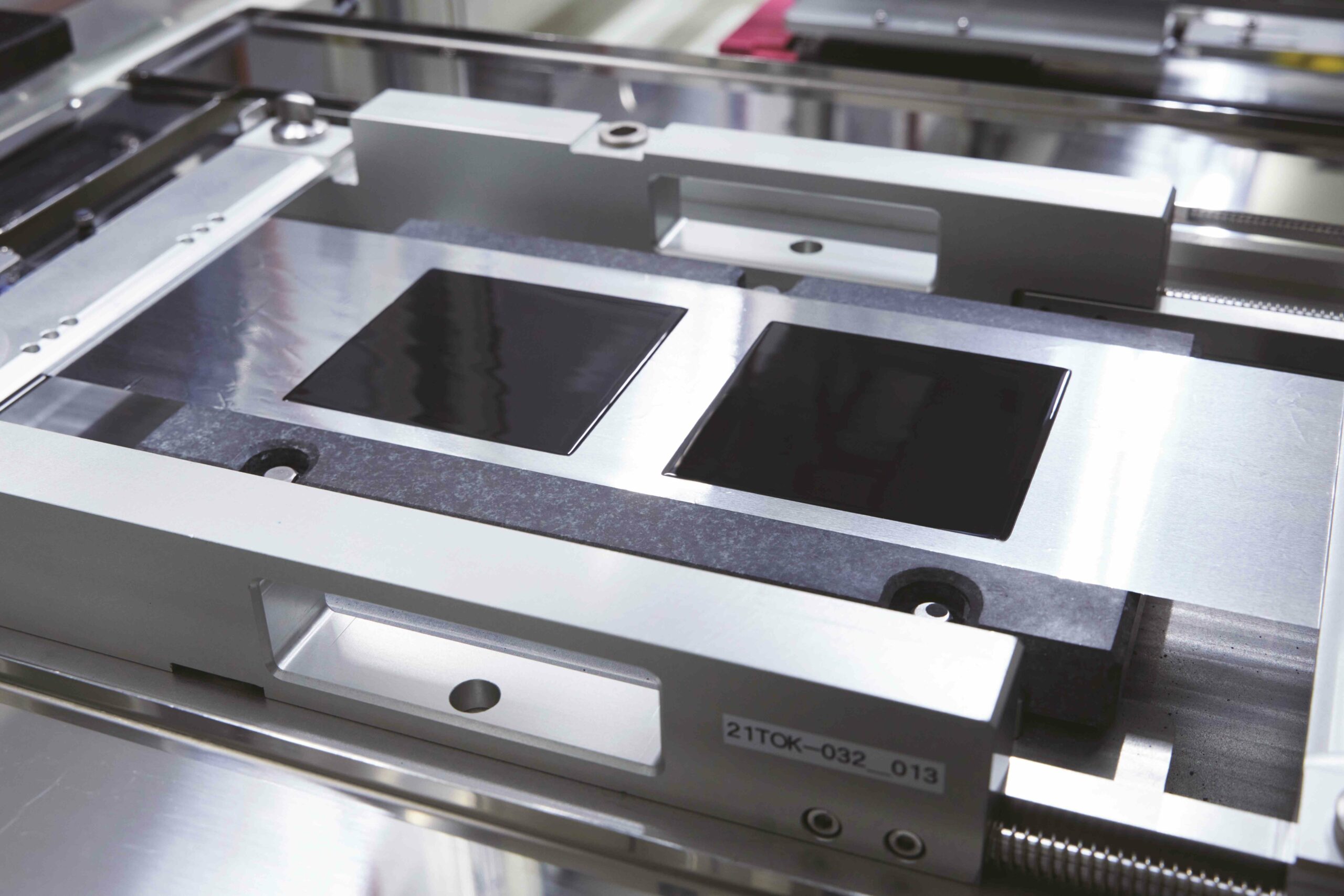
Pilot line provides double the battery density of lithium ion

Nissan has shown its pilot line for all-solid-state batteries, writes Nick Flaherty. The Yokohama Plant in Kanagawa Prefecture, Japan, will supply EVs in 2028, which means the platforms are currently under design.

Grid

Weight-saving composites for electric buses

Exel Composites in Finland has developed a large-scale composite process for electric buses, writes Nick Flaherty. It has secured a project with Foton Bus and Coach in China to supply glass-fibre composites, which will reduce the maintenance requirements and weight of the vehicles due to their corrosion-resistant and lightweight properties.

Grid

Dynamic charging e-rail powers mining trucks

A patented power rail-connection system is boosting the use of EVs in mining, writes Nick Flaherty. BluVein in Australia has been working with Hitachi Energy on the dynamic charging system to deliver battery-electric haul trucks up to 400 Mt.

Grid

All-solid-state sodium batteries closer to practical use

Researchers in Japan have developed a process that produces a sulfide solid electrolyte with the world’s highest sodium ion conductivity, writes Nick Flaherty. The synthesised material, developed at Osaka Metropolitan University, is a key contender for all-solid-state sodium batteries. The solid electrolyte, Na2.88Sb0.88W0.12S4, has a sodium ion conductivity about 10 times higher than required for practical use and a glass electrolyte with high reduction resistance.

Grid

First airfield-to-airfield eVTOL flight with recharging

Skyfly and AeroVolt are working on the first electric vehicle take-off and landing (eVTOL) flight in the UK between two airfields with electric charging points, writes Nick Flaherty. AeroVolt is installing a network of aircraft smart chargers around the UK at airports and aerodromes. It currently has five operational sites and aims to have 24 running by the time deliveries of the Skyfly Axe eVTOL begin in 2025, with plans in place for over 60 sites.

Grid

NASA tech lands for brake systems

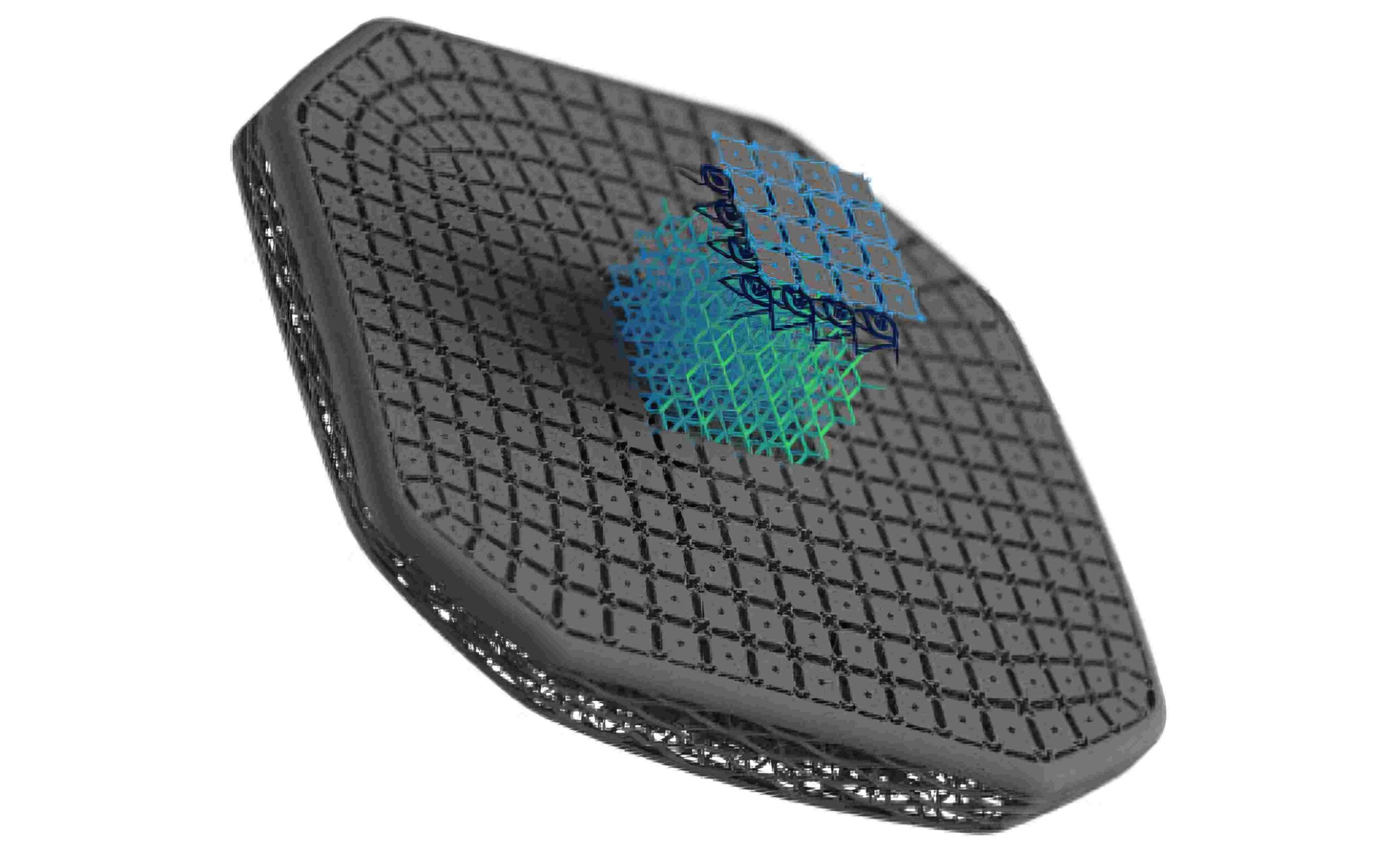
Orbis Brakes in the US has licensed a NASA-patented technology for lightweight braking systems in electric vehicles, writes Nick Flaherty. The revolutionary brake disc design is at least 42% lighter than conventional cast-iron rotors, with performance comparable to much more expensive carbon-ceramic models.

Grid

Resting boosts lithium-metal battery cells

Researchers have found a key way to extend the life of next-generation lithium-metal batteries, writes Nick Flaherty. Lithium metal cells can double the range of EVs on a single charge and this is a crucial technology for solid-state cells. The researchers at Stanford University found a low-cost approach, which was to simply drain the battery and let it rest for several hours. This restored battery capacity and boosted overall performance.

Grid

Hybrid electric propulsion passenger aircraft

A European project is developing a new propulsion system for medium-range aircraft with up to 35 passengers, writes Nick Flaherty. Several Fraunhofer Institutes and Brandenburg University of Technology Cottbus-Senftenberg, under the leadership of Rolls-Royce Germany and other partners such as research institution ACCESS, are collaborating on the hybrid electric-propulsion system.

Grid

StoreDot’s cell-to-pack architecture for fast charging

StoreDot has developed a cell-to-pack architecture for its silicon-based fast-charging batteries, writes Nick Flaherty. The I-BEAM XFC is a patented cell design that accelerates the integration of extreme fast charging (XFC) into EVs using StoreDot’s proprietary 100in5 electrode technology. The silicon anodes enable charging for 100 miles of range in just five minutes.

Grid

Polymer safety boost for lithium battery cells

Researchers in Korea have developed a polymer separator to boost the safety of lithium-ion battery cells, writes Nick Flaherty. Separators composed of polyolefins, a type of polymer, can be employed to keep the anode and cathode apart to prevent an internal short circuit. However, these separators can melt at higher temperatures, and the inadequate absorption of electrolytes can result in short circuits and diminished efficiency.

ONLINE PARTNERS