Grid

Grid

Ilika develops a roll-to-roll production line for solid-state battery cells

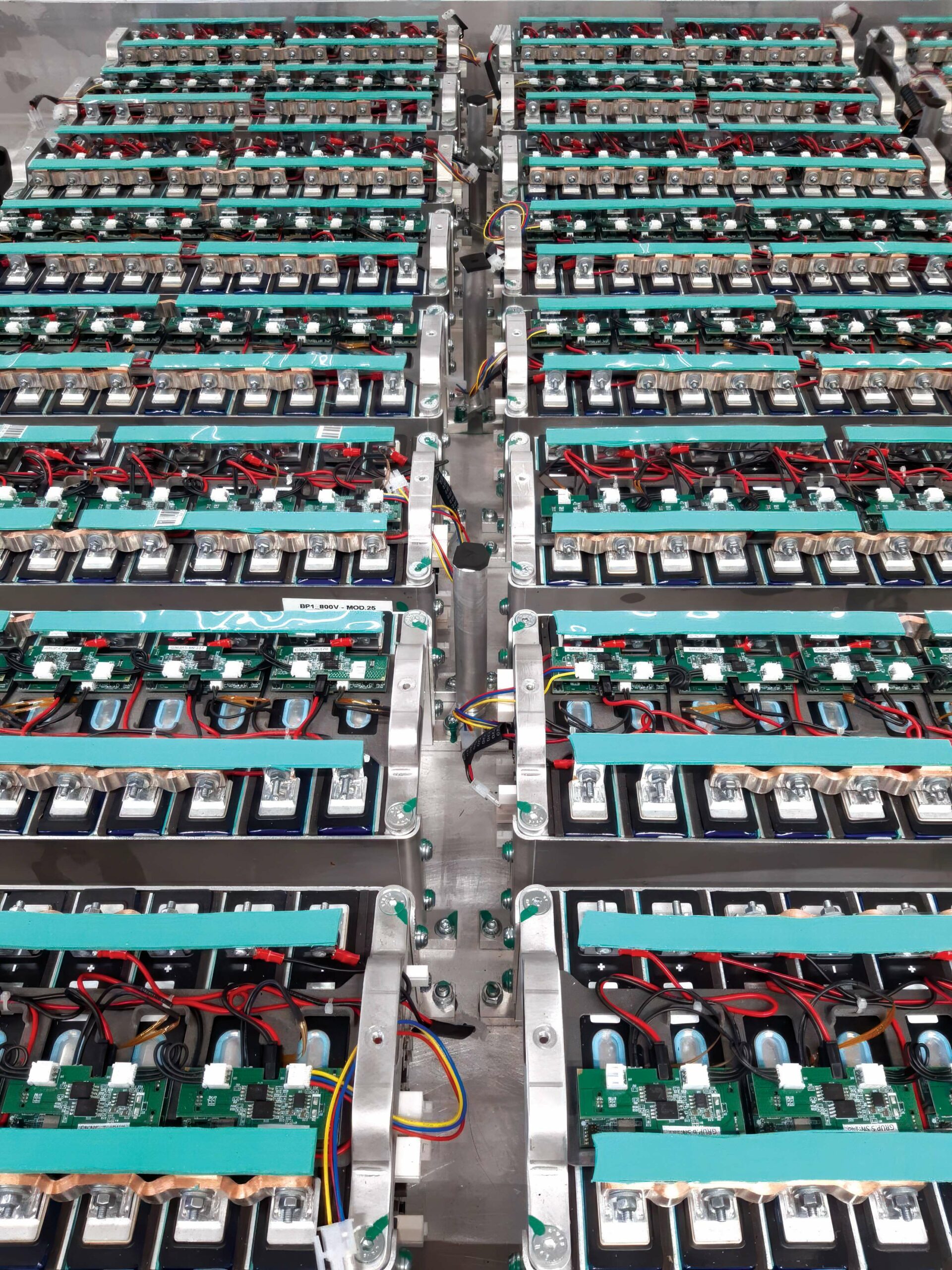
Ilika in the UK is building a roll-to-roll production line for solid-state battery cells, writes Nick Flaherty. The company has been working with the UK Battery Industrialisation Centre (UKBIC) to scale up the production equipment for the line, and with Mpac on the development of its solid-state battery cells.

Grid

Hyundai Mobis develops pulsating heat pipes for ultrafast charging

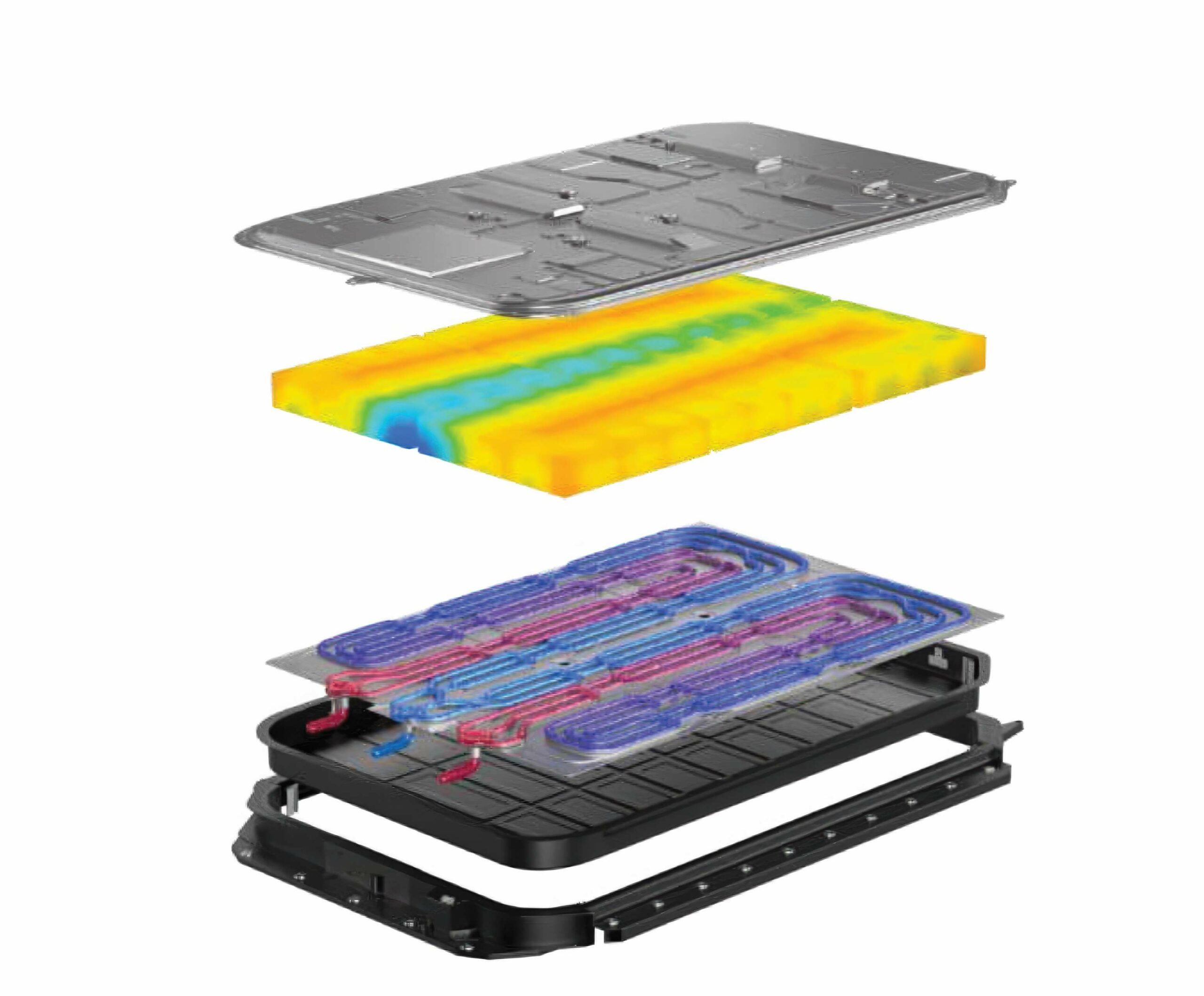
Hyundai Mobis has developed a ‘pulsating’ heat-pipe (PHP) material to improve the thermal performance of battery packs during fast charging. It aims to prevent overheating during the ultra-fast charging of EVs, writes Nick Flaherty.

Grid

Having a whale of a time in an offshore vessel

Corvus Energy is to supply a 25 MWh battery system for the world’s first fully-electric offshore sea vessel, writes Nick Flaherty. The vessel is an electric Commissioning Service Operation Vessel (eCSOV) that will be constructed by Armon shipyard in Spain for UK-based shipowner Bibby Marine. Corvus Energy will supply its Blue Whale Battery Energy Storage System (BESS) with 25 MWh of lithium iron phosphate (LFP) batteries.

Grid

Emulator charges big trucks and aircraft

Researchers in the US have developed an emulator for a 20 MW charging system for heavy-duty electric trucks and aircraft, writes Nick Flaherty. In 2024, US companies deployed more than 15,000 medium- and heavy-duty EVs, including battery-electric semi-trucks, passenger buses and delivery vans.

Grid

Reducing on-resistance in e-bike designs

Renesas Electronics has developed a new process technology for more efficient, 100 V silicon MOSFET transistors in e-bike designs, writes Nick Flaherty. The REXFET-1 process reduces on-resistance between the drain and source by 30% to 1.5 mO, which cuts losses and boosts efficiency.

Grid

Machine learning slices powertrain development phase

Researchers at Graz University of Technology (TU Graz) have used machine learning to shorten the development phase of battery EV powertrains by several months, writes Nick Flaherty. The 10-year Optimisation of Electric Drives (OPED) project combines

Grid

Coreless technology shrinks current sensor

Melexis has used a digitally controlled, coreless technology that shrinks the size of a current sensor, writes Nick Flaherty. The MLX91235 sensor eliminates the need for a ferromagnetic core, enabling the measurement of larger currents flowing through external primary conductors, including busbars.

Grid

Additive Drives uses injection-moulded copper

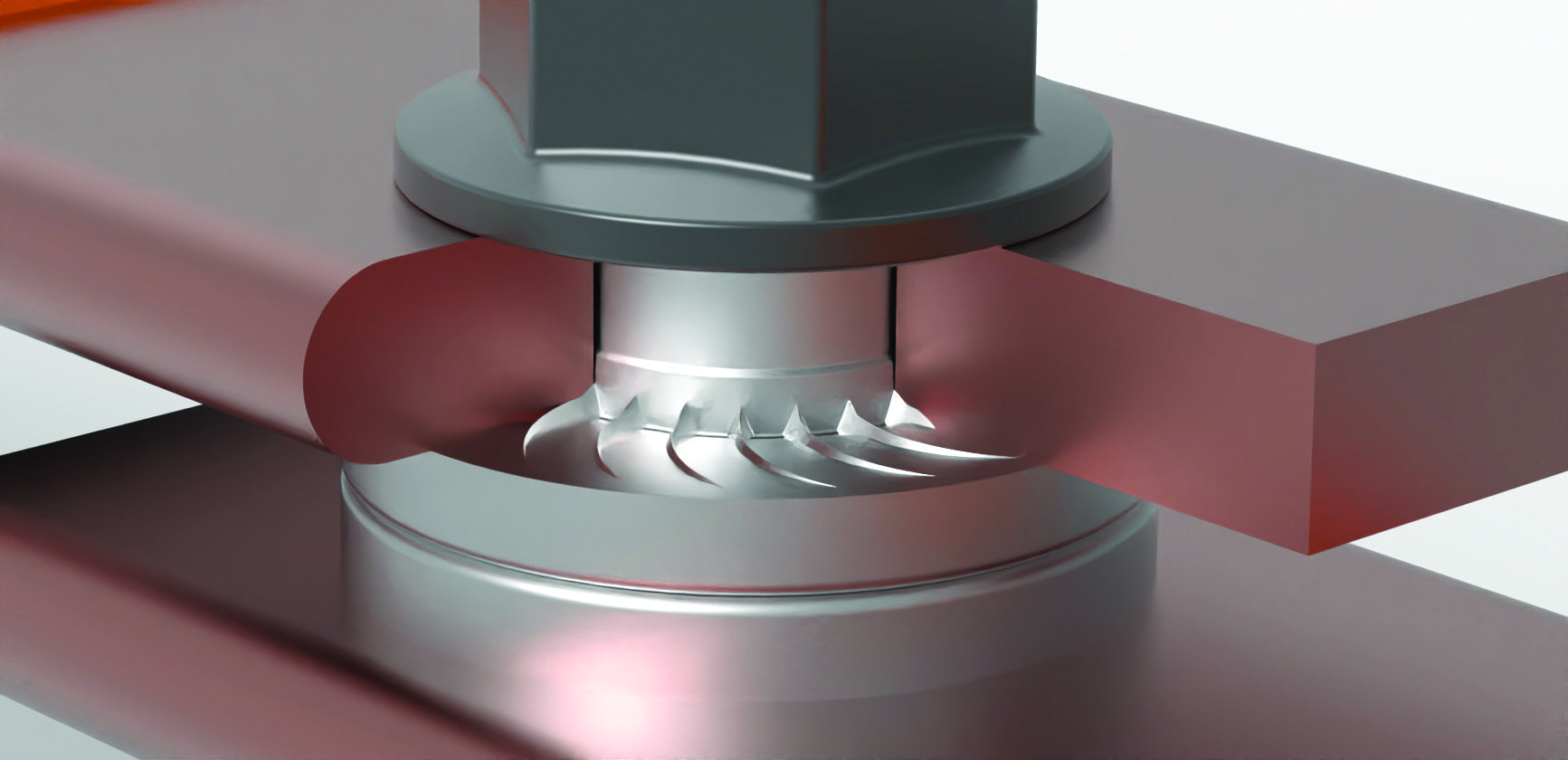
Additive Drives has developed an injection-moulded copper process for the next generation of electric-drive busbars, writes Nick Flaherty. The development combines the best of two worlds: specialised design and mass production. Additive Drives is using the process for busbars with printed, conventional or injection-moulded parts in copper and plastic.

Grid

Bi-directional onboard chargers get current sensor

LEM has developed a current sensor for transformerless, bi-directional, onboard chargers (OBCs), writes Nick Flaherty. The automotive-grade, residual current monitoring (RCM) sensor is the first of its kind for bi-directional OBCs with ASIL B safety rating.

Grid

Recycling cathode materials using galvanic corrosion

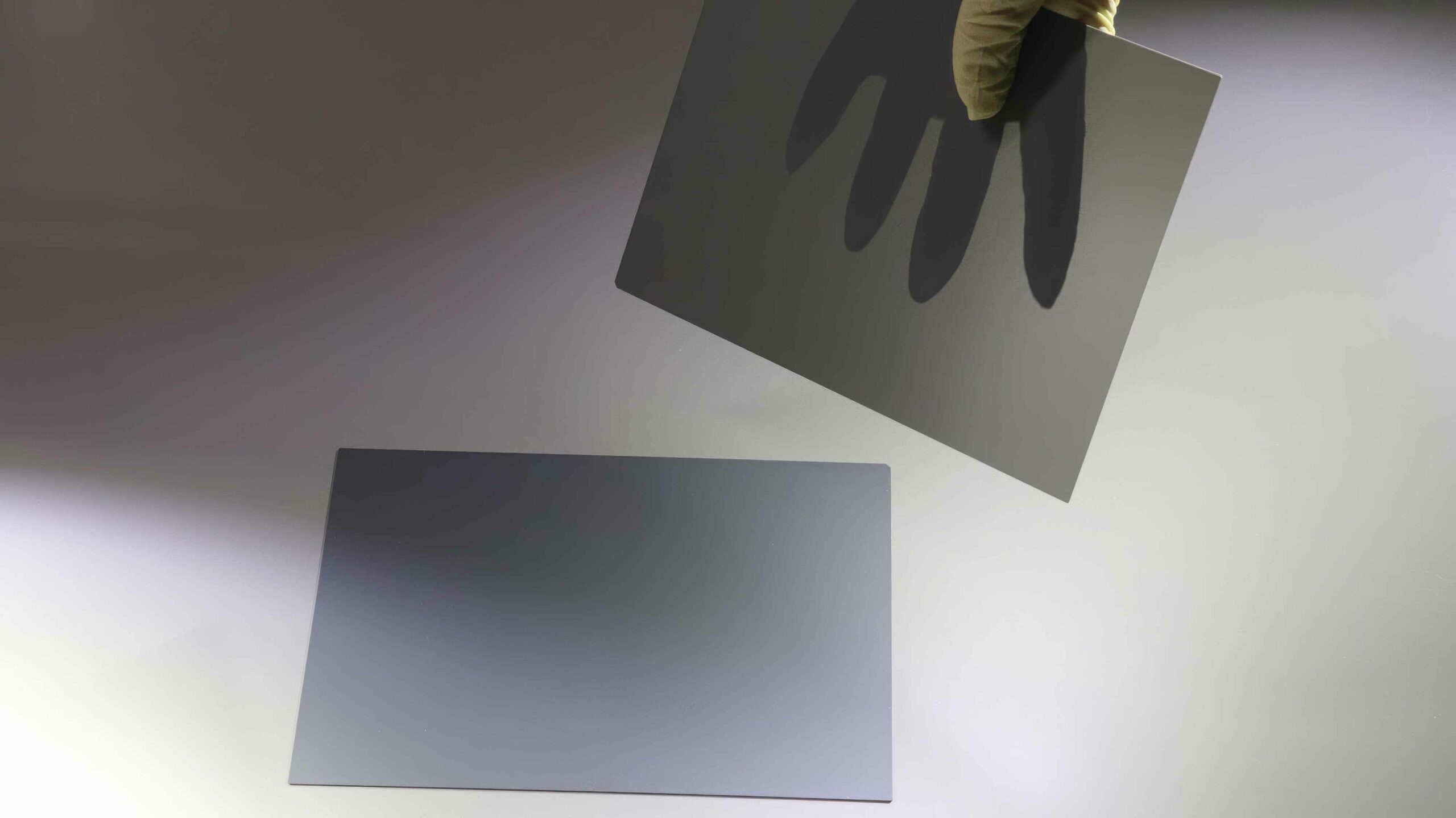
Researchers in Korea have developed a cost-effective and eco-friendly technology for recycling cathode materials from spent lithium-ion batteries through a simple process within an existing cell without the need for disassembly, writes Nick Flaherty.

ONLINE PARTNERS