Focus on…

Focus on...

Battery tech for heavy duty applications

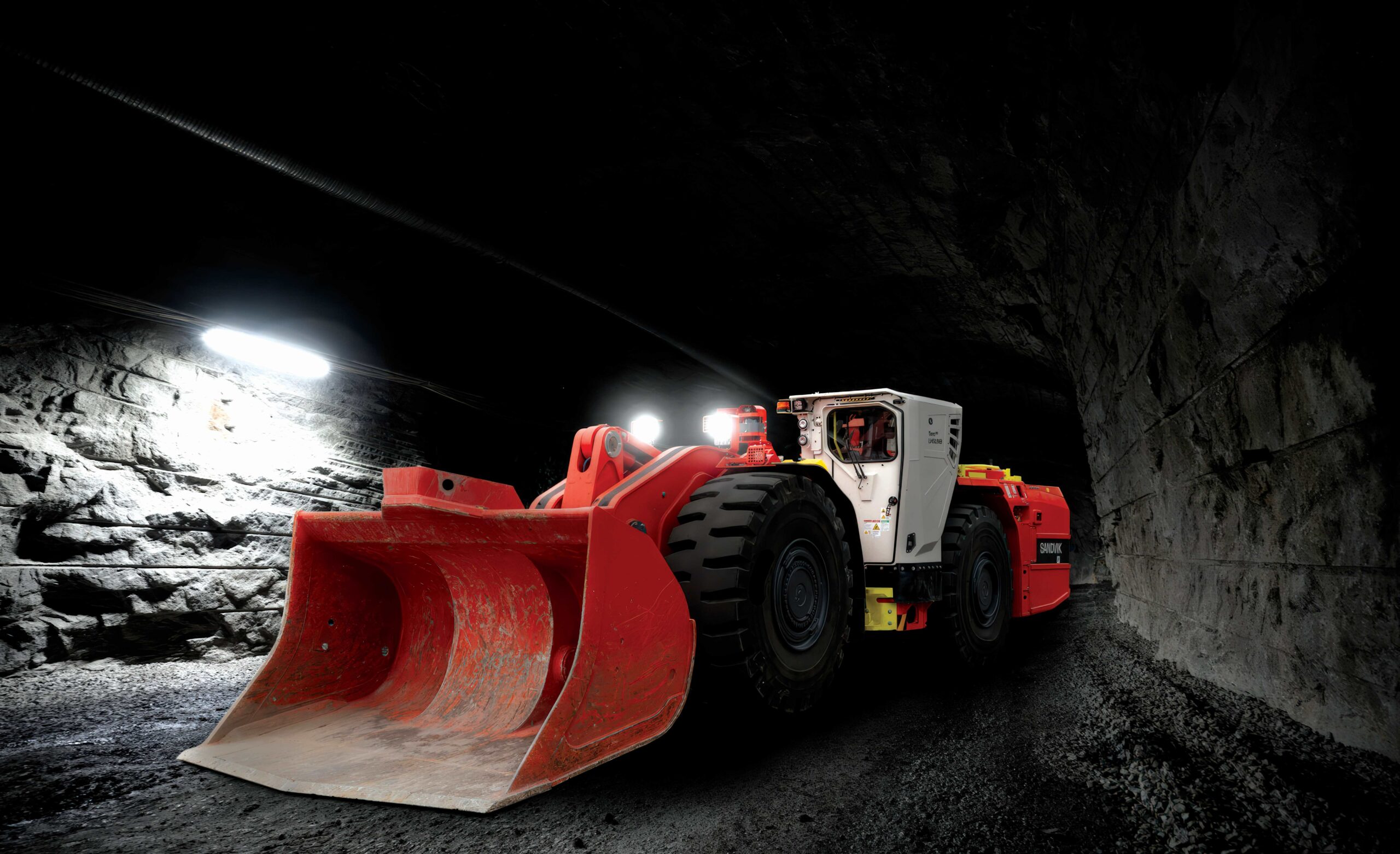
With applications ranging from trucks to mining equipment and excavators, vehicle assemblers have a wide pool of requirements, as Nick Flaherty reports Flexibility is a key requirement for heavy-duty electric vehicle (EV) applications. These vehicles are based on existing chassis designed for diesel engines, so battery packs with various chemistries have to be manufactured to fit a wide range of form factors.

Focus on...

Thermal runaway prevention

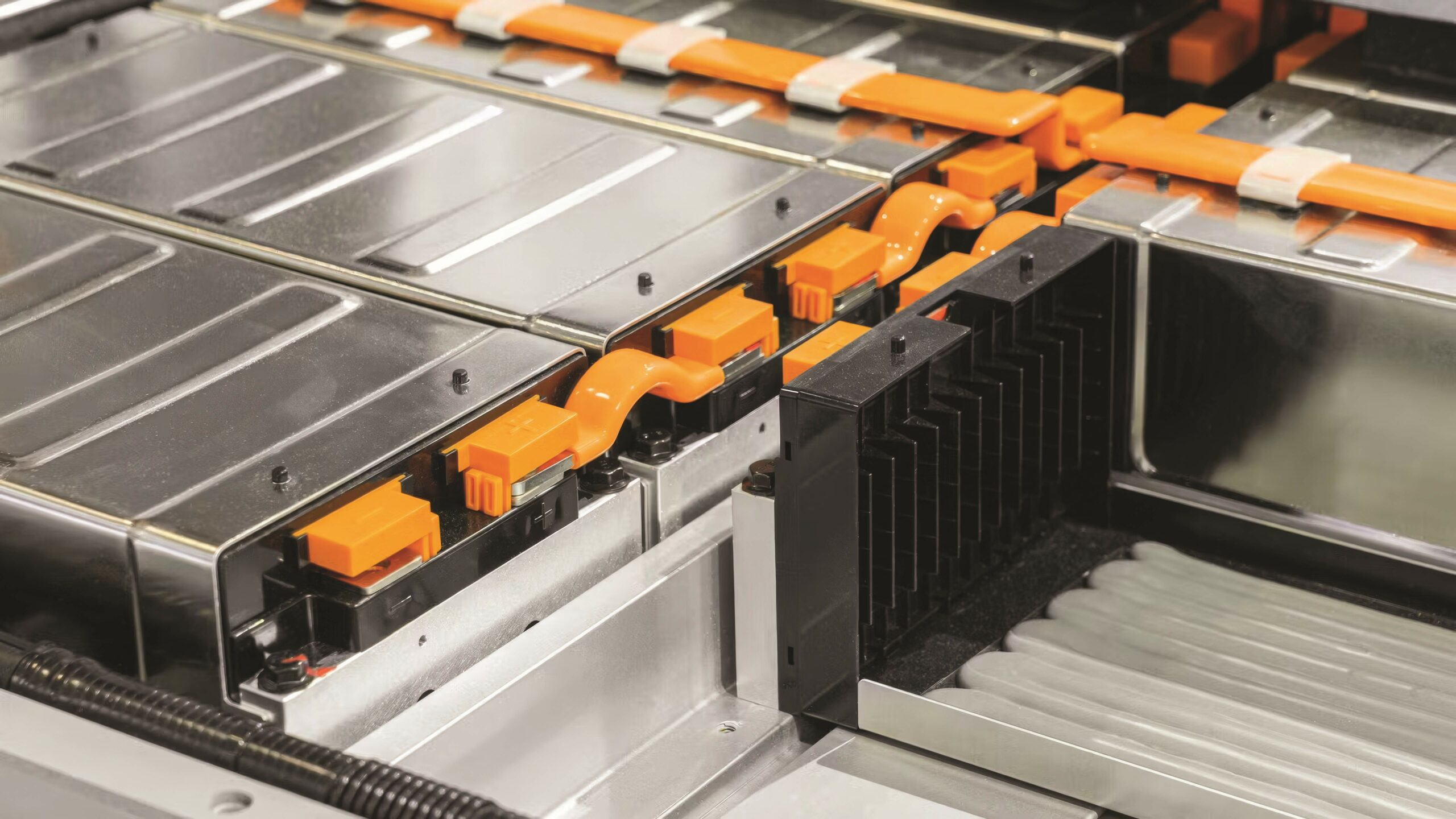
Peter Donaldson speaks to experts who are working on cell design and chemistry to avoid thermal runaway Protection from thermal runaway in an electric vehicle (EV) battery requires a holistic solution that affects every aspect of the pack’s design and operation. The consensus seems to be that protection options are limited to prevention and mitigation rather than stopping a runaway once it has started.

Focus on...

Battery sealing

Nick Flaherty assesses the various materials and processes used to seal and protect a battery pack Sealing a battery pack safely is a key requirement for e-mobility systems. While there may be concerns about the ingress of moisture or dirt, there are also issues over venting gasses and preventing electromagnetic interference. As a result...

Focus on...

Inverters

Modern inverters are including more intelligent features to work with other vehicle systems, reports Peter Donaldson Inverters do the conceptually straightforward job of converting an electric current from DC into AC form. As such, they create an essential link between the energy storage system and the motor. Modern inverters use

Focus on...

Polymer considerations for EV

Lightweight with higher temperature resistance, thermoplastics are ideal for e-mobility powertrains, Nick Flaherty reports The push to make e-mobility designs lighter to boost range is driving significant innovation in materials. Thermoplastics are being redesigned to provide various combinations of temperature and flowability for manufacturing and plating capabilities.

Focus on...

Battery inspection for EV manufacturing

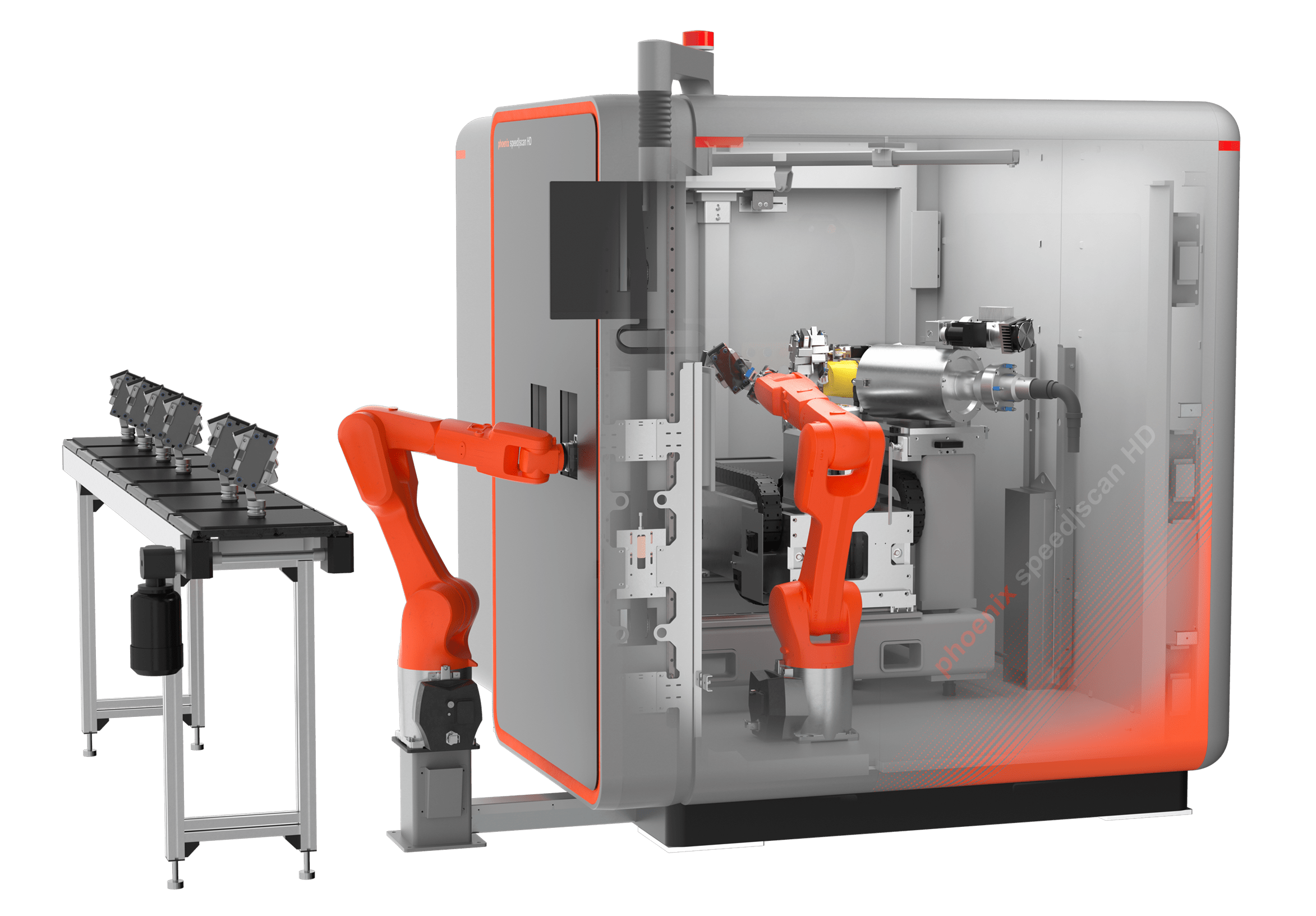
Getting inside a battery to check its integrity or to trace a fault in a non-destructive manner is technologically challenging, as Peter Donaldson explains Mass producing large capacity lithium-ion batteries to meet the anticipated demand for EVs while ensuring that they are as safe, dependable and long-lived as possible is driving the need for faster, more thorough and more reliable inspection systems.

Focus on...

Phase change materials

Phase change materials offer intriguing possibilities in the thermal management of EV powertrains as Nick Flaherty explains Phase-change materials (PCMs) are known for their superior latent heat capacity, acting as heat absorbers without notable

Focus on...

Motor control

Nick Flaherty explains the various ways to create the perfect sine wave to maximise the efficiency of electric motor control Improving the efficiency of e-mobility motor control is a key focus for developers. Design technologies to squeeze the last microamp out of the battery can boost the range of EVs significantly,

Focus on...

Axial flux motors

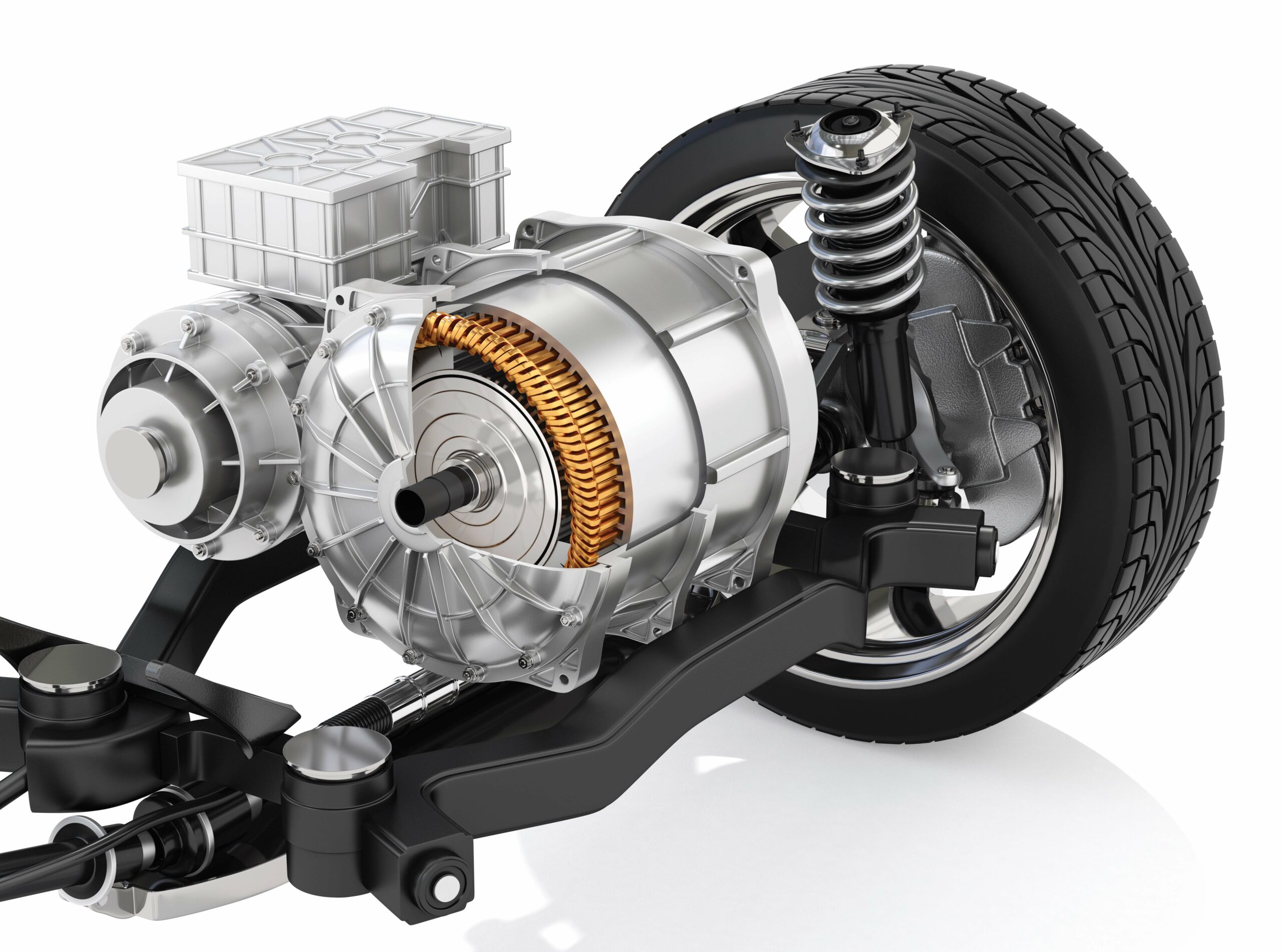
Peter Donaldson canvasses expert opinions on the decisions to be made on whether to choose an axial flux motor for a given application Axial flux (AF) motors are attracting a great deal of attention and engineering effort in the e-mobility arena, and for good reasons. Different motor topologies – such as radial and axial flux – are...

Focus on...

Busbars and interconnects

Large EV battery packs can contain thousands of cells that have to be connected to form modules and packs, then connected via busbars to other driveline components such as inverters and DC-DC converters to make robust and reliable connections quickly and efficiently in confined spaces while keeping costs down. That has made...

ONLINE PARTNERS