









Anritsu and HEAD acoustics target EV cabin acoustics for NG eCall compliance
(Image courtesy of Anritsu)
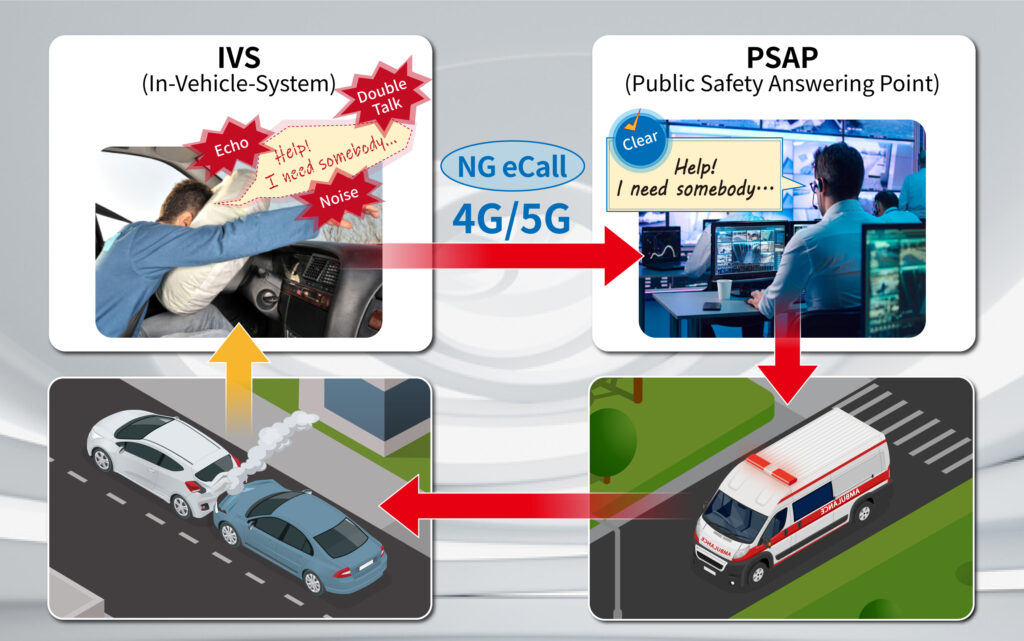
Anritsu Corporation has launched an acoustic evaluation solution for next generation automotive emergency call systems in collaboration with HEAD acoustics, aimed at engineers verifying voice links between connected and electric vehicles and Public Safety Answering Points ahead of Europe’s NG eCall mandate kicking in on 1 January 2026. The setup tackles hands free communication inside the cabin, where noise, echoes and overlapping speech can scramble clarity right when every word counts.
It pairs Anritsu’s MD8475B LTE base station simulator or the MT8000A for 4G and 5G testing with HEAD acoustics’ ACQUA voice quality analysis software, building a realistic test bed that stresses both the microphone transmit path and loudspeaker receive path. Engineers tweak network conditions, radio technology, audio levels and noise backgrounds to gauge end to end speech quality against ITU T Recommendation P.1140 standards for in vehicle hands free setups.
Echo and double talk are the real troublemakers here. Loudspeaker sound leaking back into the mic or both sides talking over each other can tank intelligibility unless echo cancellation and gain control are spot on. This rig runs them through a full matrix of cases, letting teams refine hardware, algorithms and integration of the in vehicle communication unit before field failures crop up.
Cabin noise gets equal attention, with recorded and synthetic profiles mimicking road rumble, wind howl and powertrain noise at varying speeds and loads to recreate mic position sound fields. It shows how well the system holds speech together on motorway runs over rough tarmac, in pounding rain or other demanding conditions, and how noise suppression plays out in modern EV platforms where the absence of an internal combustion engine removes much of the acoustic masking that used to hide subtler artefacts in the audio chain.
The repeatable setup slots into development cycles for communication modules, infotainment systems and whole vehicle platforms nearing production. OEMs and suppliers can standardise NG eCall test suites, then adapt them for proprietary emergency and assistance services on shared audio and telematics hardware, cutting compliance headaches and highlighting the impact of choices such as microphone placement, loudspeaker layout and network configuration. As vehicle architectures become increasingly software driven and electrification pushes more functionality onto central compute and high speed links, this collaboration underlines the need to bridge RF validation with acoustic performance so that emergency calls from connected and electric vehicles remain intelligible when they are needed most.
Click here to read the latest issue of E-Mobility Engineering.
ONLINE PARTNERS